

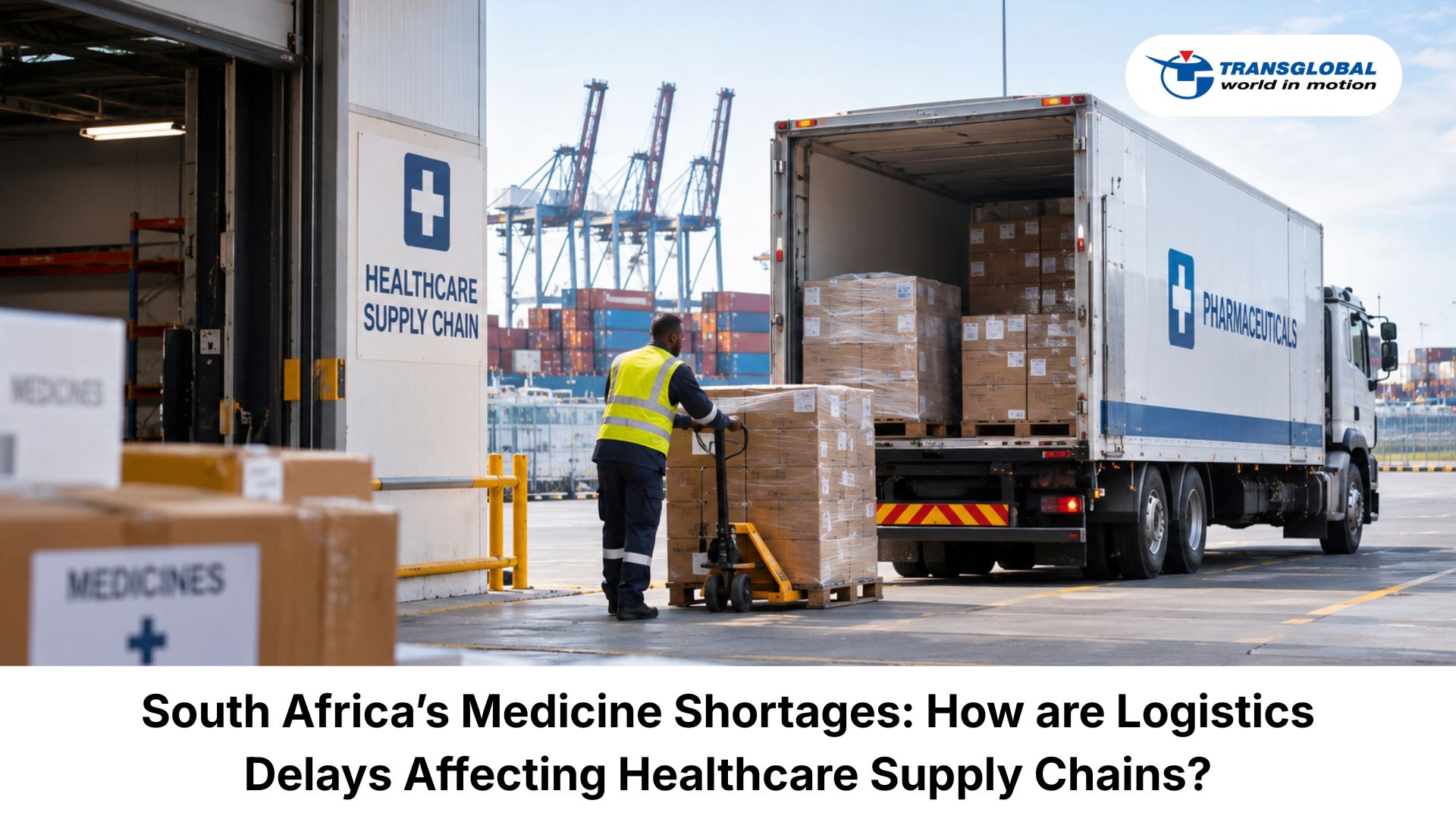
Medicine shortages in South Africa’s public healthcare system are raising concerns about the reliability of pharmaceutical supply chains.
The Western Cape Government has called for urgent national intervention after ongoing medicine supply problems affected public healthcare facilities.
According to reports published on 29 October 2026, Western Cape Health and Wellness MEC Mireille Wenger has raised concerns about manufacturing constraints, international shipping disruptions, supplier backorders, procurement challenges and regulatory delays.
The province has also requested assistance from Transport Minister Barbara Creecy to address port bottlenecks, particularly at Durban, and explore ways to prioritise imported medicines.
The concern goes beyond getting shipments into South Africa.
Even after medicines arrive, testing and release procedures can take three to four weeks before products become available for distribution to healthcare facilities.
For hospitals, clinics and patients, these delays can affect access to essential treatments.
👉 Medicine availability depends not only on manufacturing and procurement, but also on how reliably products move through the entire healthcare supply chain.
💊 Why is the Western Cape Facing Medicine Supply Challenges?
The Western Cape has been dealing with medicine supply difficulties for several months.
The province first raised concerns in June 2026 and has since sought national support to address problems affecting availability.
The reported causes are spread across different stages of the supply chain.
Manufacturers may face production constraints, suppliers may struggle to fulfil orders, and international shipments can encounter delays before reaching South African ports.
Procurement and regulatory processes add further complexity.
This means the shortage cannot be attributed to one transport issue or a single organisation.
Improving availability requires coordination between manufacturers, suppliers, healthcare authorities, regulatory bodies and logistics providers.
🚢 How Port Delays Affect Imported Medicines?
South Africa relies on international shipping channels for imported pharmaceutical products.
When vessels experience delays, medicines and medical supplies may arrive later than planned.
But port arrival does not mean immediate availability.
Shipments must still complete applicable customs, regulatory and release procedures before moving into distribution channels.
Congestion at a major gateway such as Durban can therefore create additional pressure on an already stretched healthcare supply chain.
For pharmaceutical importers, efficient sea freight planning involves understanding vessel schedules, shipping documents, arrival arrangements and possible disruptions.
Where appropriate, customs clearance preparation should begin before the shipment arrives.
However, customs release and pharmaceutical regulatory approval are separate requirements. Completing one does not automatically satisfy the other.
This distinction matters when businesses estimate how long imported medicines will take to reach healthcare facilities.
📄 Why Medicines May Face Further Delays After Arrival?
One of the concerns raised in the Western Cape is the time needed for testing and release after medicines enter the country.
According to the reported provincial concerns, these processes can add three to four weeks before products reach clinics and hospitals.
Pharmaceutical products may be subject to quality verification, documentation reviews and other applicable regulatory requirements before distribution.
These controls are important because medicines must meet the required safety and quality standards.
The challenge is managing them without unnecessary administrative or operational delays.
Incomplete documentation, unclear shipment information or poor coordination can create further complications.
For importers handling regulated healthcare products, understanding pharmaceutical logistics is important because transport, storage, documentation and product integrity must be considered together.
The objective is not to bypass necessary checks.
It is to ensure that all parties are prepared to complete their responsibilities efficiently.
📦 Medicine Availability Depends on More Than International Transport
Once pharmaceutical products have received the required clearances and release approvals, they must still reach distribution centres, hospitals, pharmacies and clinics.
This stage is particularly important when certain facilities are already experiencing shortages.
Medicine distribution depends on accurate stock information, suitable storage conditions, delivery scheduling and coordination between suppliers and healthcare facilities.
Some pharmaceutical products also require controlled-temperature handling throughout their journey.
An available shipment at a warehouse does not automatically mean that the medicine has reached the healthcare facility where it is needed.
Effective inventory planning can help businesses identify stock requirements, organise replenishment and prepare products for distribution.
Where shortages already exist, visibility over available quantities and outstanding orders becomes especially important.
🏥 What Needs to Improve Across Healthcare Supply Chains?
The Western Cape’s request for national intervention highlights the need for cooperation across several areas.
Improving pharmaceutical availability requires attention to the entire process, rather than focusing only on delays at ports.
Important priorities include:
- Supplier reliability: Identifying manufacturing constraints and outstanding orders early.
- Shipping coordination: Planning imported medicine movements around realistic vessel schedules.
- Regulatory readiness: Preparing the documents and information needed for applicable approvals.
- Stock visibility: Monitoring available inventory and identifying shortages before they become critical.
- Distribution planning: Coordinating the movement of released products to the healthcare facilities that need them.
These measures cannot eliminate every shortage, particularly where manufacturing or procurement constraints remain unresolved.
However, better information and coordination can help reduce avoidable disruption.
🚚 Conclusion: Reliable Medicine Supply is Part of Patient Care
The Western Cape’s medicine shortage concerns reveal how closely healthcare availability is connected to the wider supply chain.
International shipping disruptions, port congestion, procurement challenges and regulatory procedures can all influence when medicines become available for clinical use.
The request for national intervention highlights the importance of addressing these pressures together.
For pharmaceutical manufacturers, importers and healthcare distributors, reliable logistics planning is an important part of maintaining product availability.
Working with specialist freight forwarders can help businesses coordinate international shipments, transport documentation and distribution requirements while respecting applicable healthcare regulations.
Ultimately, the success of a pharmaceutical supply chain is not measured only by whether a shipment reaches the country.
👉 It is measured by whether essential medicines reach the healthcare facilities and patients who need them.

Comments