
Chemical Logistics Built to Support
Industrial Production and Global Distribution
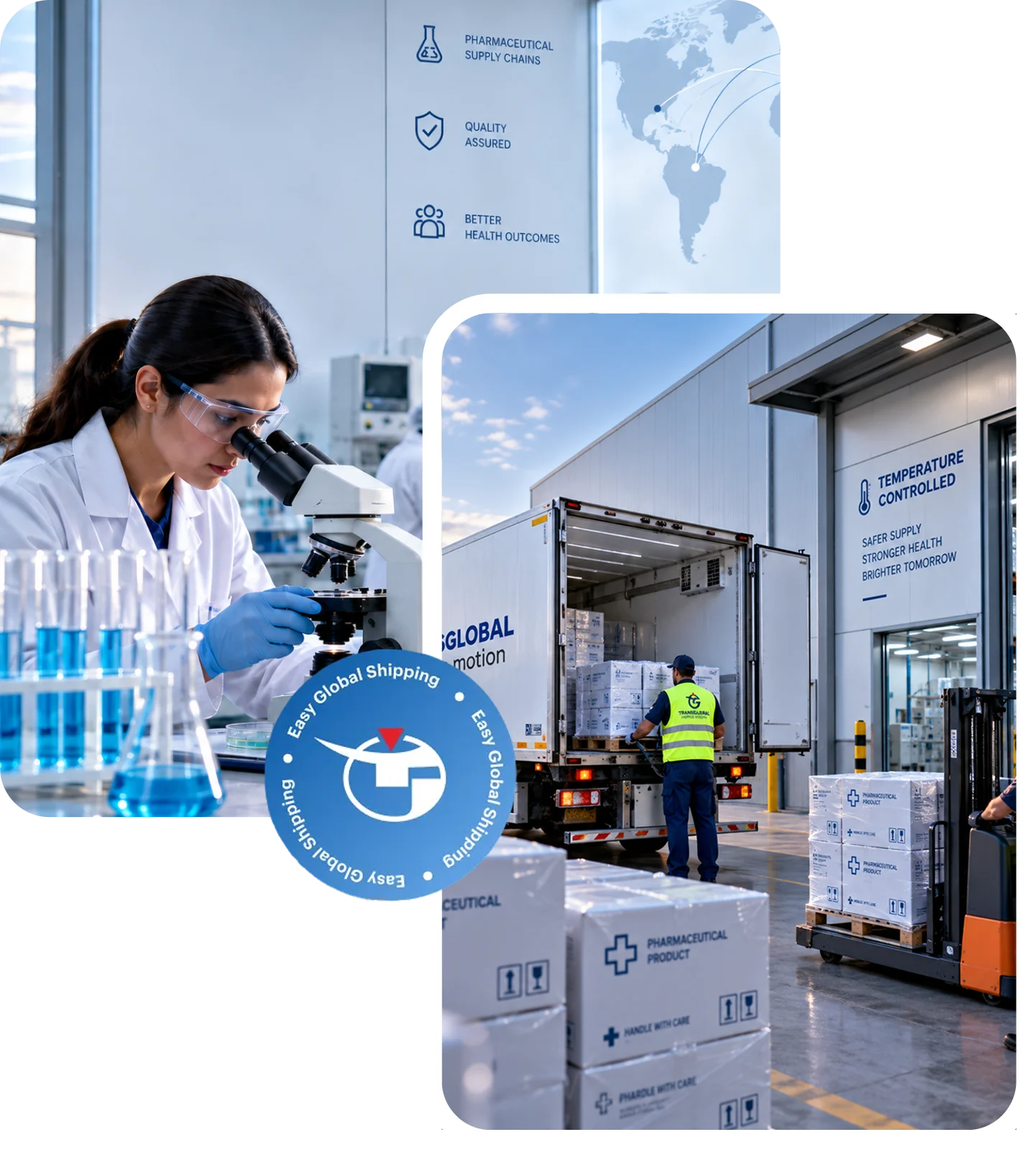
From Raw Materials to Finished Goods, Logistics Keeps Production Flowing
Chemical and industrial manufacturing depends on materials, components and equipment reaching production facilities when required, while finished goods need to move onwards to customers and international markets. Different cargo characteristics, production schedules and handling requirements can all influence how these inbound and outbound movements are planned.
-
 Feeding Production RequirementsRaw materials, chemicals and components need to reach manufacturing facilities around production schedules and inventory requirements.
-
 Keeping Equipment AvailableMachinery, replacement components and critical spares support maintenance, repairs and planned production activities.
-
 Moving Finished Goods OnwardsManufactured products need suitable freight arrangements from production facilities to distributors, customers or export destinations.
Specialist Freight Planning Across Complex Industrial Cargo Movements

Chemical Cargo Requirements
Reviewing cargo information and applicable transport requirements before suitable freight arrangements are made for chemical consignments.

Production-Critical Materials
Prioritising raw materials and components where delayed arrival could affect manufacturing schedules or production continuity.

Machinery & Equipment Freight
Planning transport for industrial machinery, equipment and components according to their weight, dimensions and handling requirements.

Regulated Cargo Movements
Managing freight requirements for chemicals classified as dangerous goods where specific documentation, handling and transport controls apply.

Inbound & Outbound Freight
Coordinating materials moving into production facilities and finished industrial goods moving towards customers or export markets.

Global Freight Connections
Connecting road, sea and air transport according to cargo type, shipment volume, route and required delivery schedule.
Why Industrial Manufacturers Choose Transglobal for Complex Cargo Movements
Industrial supply chains can involve everything from routine materials to regulated chemicals and oversized machinery. Transglobal brings specialist forwarding experience across these different cargo profiles, helping manufacturers coordinate transport, customs and international freight requirements through one experienced forwarding team.
Experience Across Cargo Types
Different industrial consignments can be planned according to their dimensions, characteristics, handling requirements and transport priorities.

Planning Around Production
Freight arrangements can consider manufacturing schedules, maintenance requirements and delivery priorities before cargo begins moving.

Support Across Trade Lanes
International forwarding connections help manufacturers link suppliers, production facilities, customers and destination markets across borders.
Industrial Supply Chains Extend from
Local Production to Global Markets
From chemical producers and raw-material suppliers to manufacturing facilities, distributors and customers, Transglobal coordinates industrial logistics through its international forwarding network. Wherever materials, equipment or finished goods need to move next, we connect the freight arrangements required across local and global trade lanes.





Answers to Your Chemicals and Industrial Logistics Questions
Chemical logistics manages the transport and related handling of chemical products between producers, suppliers, manufacturing facilities, distributors and destination markets according to the requirements of the cargo.
Industrial logistics coordinates the movement of raw materials, components, machinery and finished goods required across manufacturing and other industrial supply chains.
Chemicals may move by road, sea or air depending on their classification, physical characteristics, quantity, packaging, origin, destination and applicable transport requirements.
Manufacturing logistics helps bring raw materials, components, machinery and spares into production facilities while supporting the onward movement of finished products to customers and markets.
Product classification, physical characteristics, packaging, quantity, handling requirements, route and applicable regulations can influence how a chemical consignment needs to be transported.