
Renewable Energy Logistics for
Generation Equipment Moving Worldwide
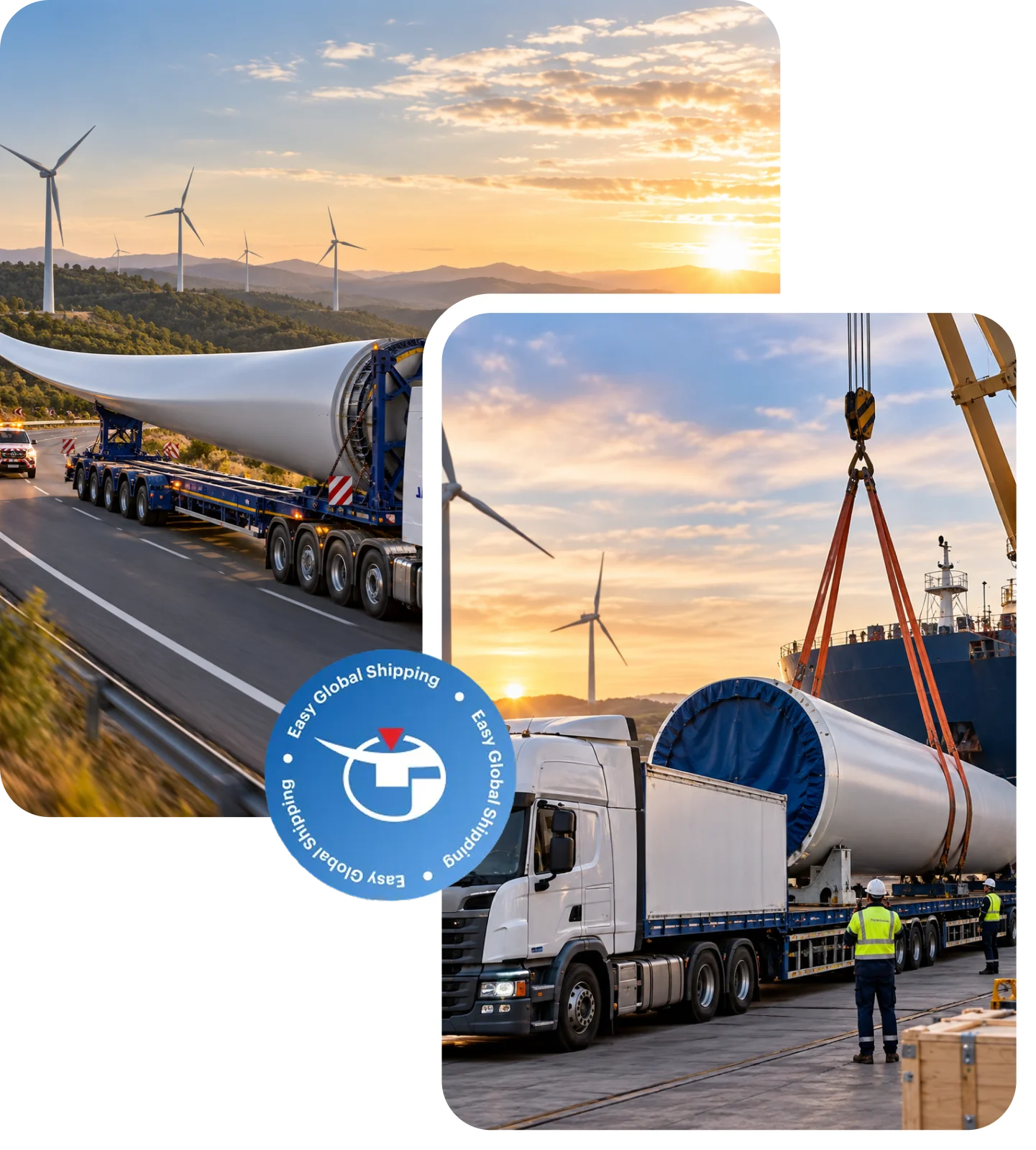
Renewable Infrastructure Depends on Equipment Arriving Ready for Installation
Energy and renewable infrastructure depends on specialist equipment, components and supporting systems throughout its lifecycle. New installations require materials and technology to come together, while operating facilities continue to depend on replacement parts, maintenance equipment and reliable supply to keep essential assets available.
-
 Supporting New InstallationsGeneration equipment, electrical components and supporting materials need to reach site around construction, installation and commissioning requirements.
-
 Handling Renewable TechnologiesSolar modules, electrical systems and other renewable components bring different dimensions, handling considerations and transport requirements.
-
 Maintaining Operational AssetsReplacement parts and maintenance equipment support planned servicing, repairs and the continued availability of operating energy infrastructure.
From Solar Modules to Heavy Plant, Each Load Requires the Right Transport Plan

Abnormal Load Planning
Assessing dimensions, weight, loading arrangements and route restrictions where larger energy components fall outside standard transport parameters.

Solar Panel Logistics
Planning the movement of solar modules and associated equipment with attention to packaging, load protection and handling requirements.

Heavy-Lift Requirements
Coordinating suitable lifting, loading and transport arrangements for plant and equipment that require specialist handling.
Project Cargo Movements
Managing large or complex consignments where multiple cargo pieces, specialist transport or staged deliveries form part of the requirement.

Critical Operational Spares
Prioritising replacement components where maintenance or equipment availability depends on timely delivery.

Site Delivery Planning
Considering site access, unloading arrangements and receiving requirements before plant and components reach their final delivery point.
Specialist Loads Demand Expertise, That's Why We're Here
Energy cargo can range from packaged electrical components and solar modules to heavy plant and abnormal loads. Transglobal brings specialist forwarding experience across these different cargo profiles, helping clients establish suitable transport arrangements around the physical and operational requirements of each consignment.

Cargo Requirements Reviewed Early
Dimensions, weight, handling requirements and delivery conditions are considered before the appropriate freight arrangement is established.

Transport Matched to the Load
Air, sea and road options are assessed according to cargo specifications, route, urgency and destination requirements.

One Point of Coordination
A Transglobal team manages forwarding requirements and communication between the relevant parties from shipment instruction through to delivery.
Linking Global OEMs and Suppliers
with Energy Sites Worldwide
Transglobal handles international energy shipments from equipment manufacturers and specialist suppliers to receiving markets and energy sites worldwide. Through our international forwarding network, we coordinate origin arrangements, cross-border transport and destination requirements across the trade lanes involved.





Answers to Your Energy and Renewable Logistics Questions
Solar modules require suitable packaging, secure loading and protection against movement during transit. The transport arrangement should also consider shipment volume, handling points, route conditions and unloading requirements at the receiving site.
The appropriate method depends on the component's dimensions, weight, origin and destination. Abnormal loads may require specialised trailers, route assessment, lifting arrangements and coordination around access restrictions before dispatch.
Yes. Sea freight can suit larger equipment and higher-volume consignments, while air freight may be considered for urgent components and critical replacement parts. The final choice depends on cargo specifications, urgency, route and delivery requirements.
Site access, vehicle restrictions, unloading arrangements, receiving capability and the dimensions and weight of the cargo should be reviewed before delivery. These factors can determine the vehicle, handling equipment and final delivery arrangement required.
International movements can involve origin collection, export requirements, sea or air freight, customs clearance and onward delivery. The exact process depends on the equipment, supplier location, destination country and final receiving requirements.