
E-commerce Logistics That Keeps Retail
Orders Moving from Seller to Customer
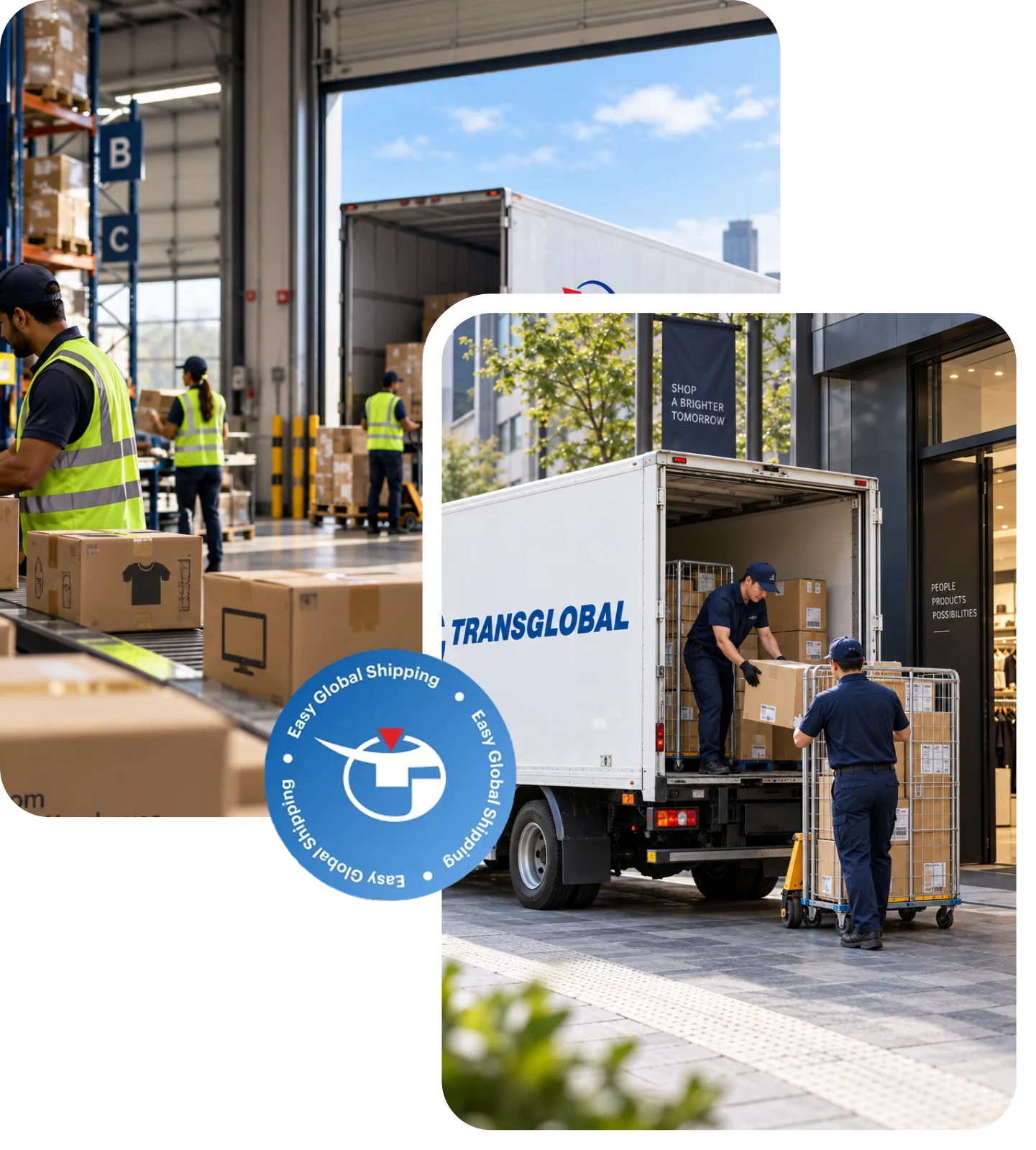
From Stock Replenishment to Order Fulfilment, Timing Shapes Every Sale
Retail depends on having the right products available when customers are ready to buy. Stock moves through warehouses, fulfilment centres and stores before online orders progress through picking, dispatch and delivery. When demand changes, replenishment and transport need to respond without disrupting the flow of customer orders.
-
 Keeping Stock AvailableReplenishment helps stores, warehouses and fulfilment centres maintain inventory around ongoing customer demand.
-
 Getting Orders DispatchedPicked and packed orders need to enter the delivery network without unnecessary delays.
-
 Preparing for Demand PeaksSeasonal sales and promotions can increase order volumes quickly, requiring stock and transport plans to adjust.
High Order Volumes Bring a Different Set of Delivery Demands
Store Replenishment
Moving inventory into retail locations according to stock levels, sales demand and replenishment requirements.
Fulfilment Centre Supply
Positioning inventory where online orders are picked, packed and prepared for dispatch.
Multi-Location Distribution
Coordinating stock from central facilities to multiple stores, warehouses or other receiving points.
Last-Mile Delivery
Managing the final stage of e-commerce delivery from the local distribution point to the customer's address.

Peak-Season Capacity
Preparing transport requirements for periods when promotions, seasonal sales or higher demand increase shipment volumes.
Returns Management
Moving returned products back to the appropriate warehouse, fulfilment centre or retailer for the next stage of processing.
Why Retailers Trust Transglobal to Keep Stock Moving and Orders on Track
Retail and e-commerce volumes can change quickly. A promotion may require additional stock. A fast-selling product may need earlier replenishment. An urgent order may require a different freight option. Transglobal helps businesses respond to these changes by coordinating freight around the shipment requirement rather than relying on one approach for every movement.

Planning Around Demand
Freight requirements can be adjusted around stock needs, order volumes, promotions and seasonal activity.
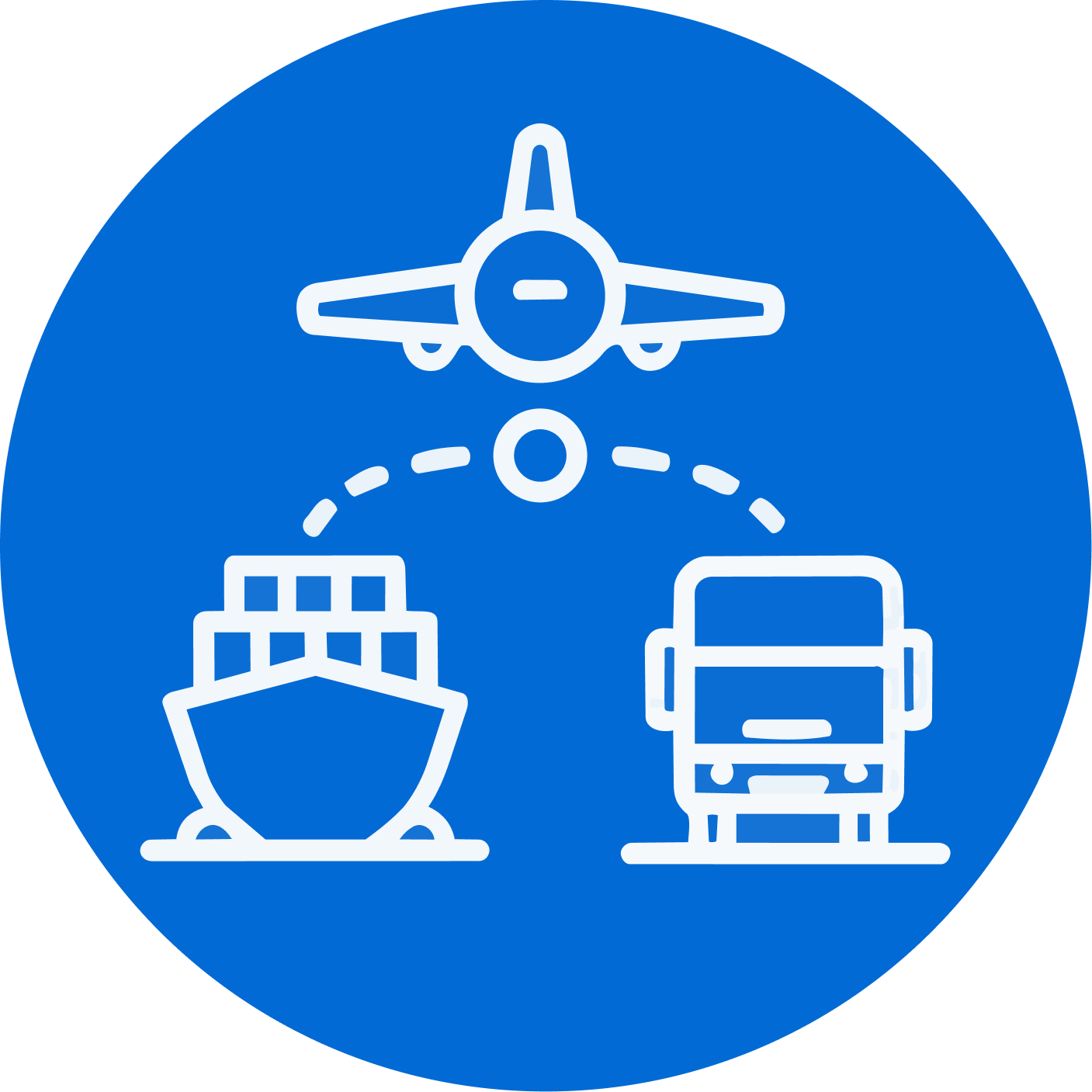
Choosing the Right Freight Option
Air, sea and road freight can be considered according to shipment size, origin, urgency and required delivery timing.

Keeping Everyone Informed
Transglobal coordinates communication between the relevant parties so shipment progress, exceptions and required actions remain visible.
From International Freight to Local Delivery,
We Coordinate Every Stage
Transglobal coordinates e-commerce goods from international origin through freight, customs clearance and local distribution to final delivery, keeping each stage connected under one point of accountability. Through our worldwide forwarding network and local coordination, we help orders reach customers within the required delivery timeframe while maintaining visibility across the journey.





Answers to Your Retail and E-commerce Questions
Planning replenishment before demand increases gives retailers more time to position inventory. Supplier lead times, available stock, expected sales volumes and transport capacity should all be considered before major promotions or seasonal peaks.
Delays can happen because of incorrect address details, route disruptions, capacity constraints, failed delivery attempts or problems during handover between fulfilment and delivery operations.
Order fulfilment covers picking, packing and preparing an order for dispatch. Last-mile delivery is the final transport stage that takes the prepared order from a local distribution point to the customer.
Retailers can forecast expected demand, position additional inventory earlier, review supplier lead times and secure suitable transport capacity before volumes rise. This provides more room to respond when order activity increases.
Depending on the delivery arrangement, another delivery attempt may be scheduled, the parcel may be redirected to an approved collection point, or it may enter the returns process.