
Automotive Logistics That Keeps Parts,
Vehicles and Deliveries on Track Worldwide
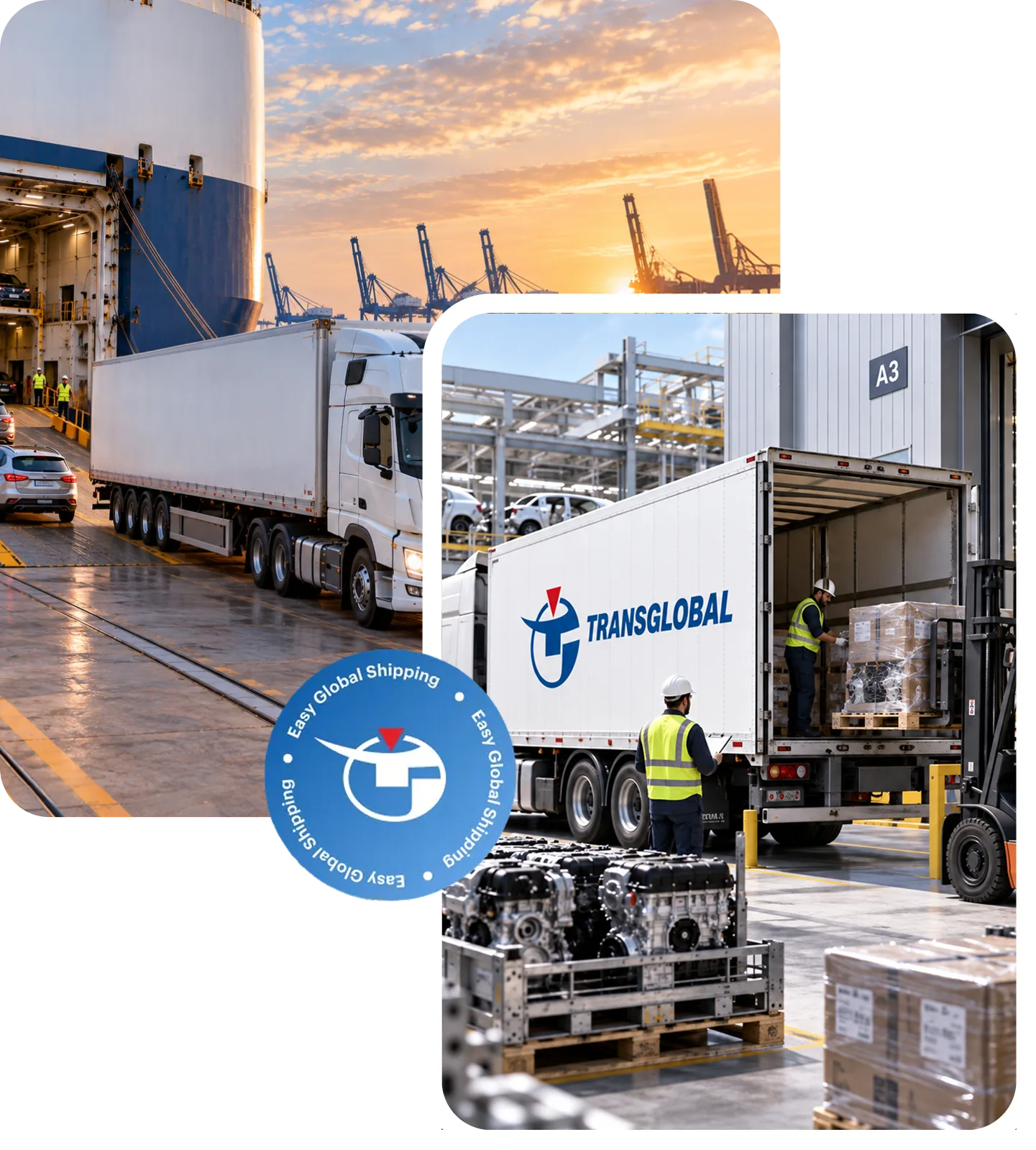
From Essential Parts to Finished Vehicles, Timing Drives the Automotive Supply Chain
Automotive supply chains rely on parts, assemblies and finished vehicles reaching different points at the right stage. Components support production and aftermarket demand, while completed vehicles move onwards for distribution or export. Tight schedules, different cargo profiles and delivery priorities all influence how these movements need to be planned.
-
 Keeping Production SuppliedParts and assemblies need to reach manufacturing operations around production schedules, inventory requirements and planned output.
-
 Supporting Aftermarket DemandReplacement parts move between suppliers, distributors, dealerships and workshops to support vehicle maintenance and repair requirements.
-
 Moving Vehicles to MarketFinished vehicles require suitable transport between manufacturers, storage facilities, dealerships, ports and international destinations.
Our Specialist Freight Planning Keeps Automotive Cargo on Schedule

Production-Critical Parts
Prioritising components and assemblies where delivery timing can affect manufacturing, maintenance or scheduled production activities.

Automotive Parts Movements
Planning automotive parts logistics according to shipment volume, urgency, destination and the requirements of the receiving operation.

Finished Vehicle Transport
Arranging vehicle logistics according to vehicle type, quantity, origin, destination and the selected transport method.

Vehicle Import & Export
Managing forwarding, documentation and customs requirements for vehicles moving between South Africa and international markets.

Large Component Handling
Planning transport for engines, body sections, tooling and other automotive components where weight or dimensions need additional consideration.

Time-Critical Freight
Selecting suitable air, road or sea freight options when parts or equipment need to meet tighter production or delivery schedules.
Why Automotive Supply Chains Move Better with Transglobal
Automotive cargo can range from individual replacement parts to large components and complete vehicles, each with different transport priorities. Transglobal brings decades of freight forwarding experience to these movements, connecting the right transport, customs and international forwarding arrangements around the needs of the cargo.

Planning Around Priorities
Transport options are considered around shipment size, urgency, route and required delivery date before the movement is arranged.
Different Cargo, One Supply Chain
Parts, components and finished vehicles may require different handling, but their movements can support the same production or distribution programme.

Connections Beyond Borders
International forwarding connections help automotive cargo move between suppliers, production markets, distributors and final destinations worldwide.
Keeping Automotive Supply Chains
Connected Across Global Markets
From component suppliers and manufacturing centres to distributors, dealerships and final destinations, Transglobal coordinates automotive cargo across international markets. Whether the shipment involves urgent parts or complete vehicles, our global forwarding connections help link each stage of the journey.





Answers to Your Automotive and Vehicle Logistics Questions
Automotive logistics manages the movement of parts, components and finished vehicles between suppliers, manufacturers, distributors, dealerships and other destinations within the automotive supply chain.
Vehicles may move by road or sea using suitable transport and shipping arrangements. The method depends on vehicle type, quantity, origin, destination and handling requirements.
Automotive parts may move by air, sea or road depending on their size, volume, urgency and destination. Critical components may require faster transport when production or repairs depend on their arrival.
Part dimensions, shipment volume, packaging, delivery schedules, origin, destination and production or aftermarket requirements can all influence the most appropriate transport arrangement.
Production, maintenance and distribution activities often depend on parts and vehicles arriving as planned. Delays can affect manufacturing schedules, repair work, inventory availability and onward distribution.