
Agriculture & Perishable Logistics for
Reliable Farm-to-Market Movement
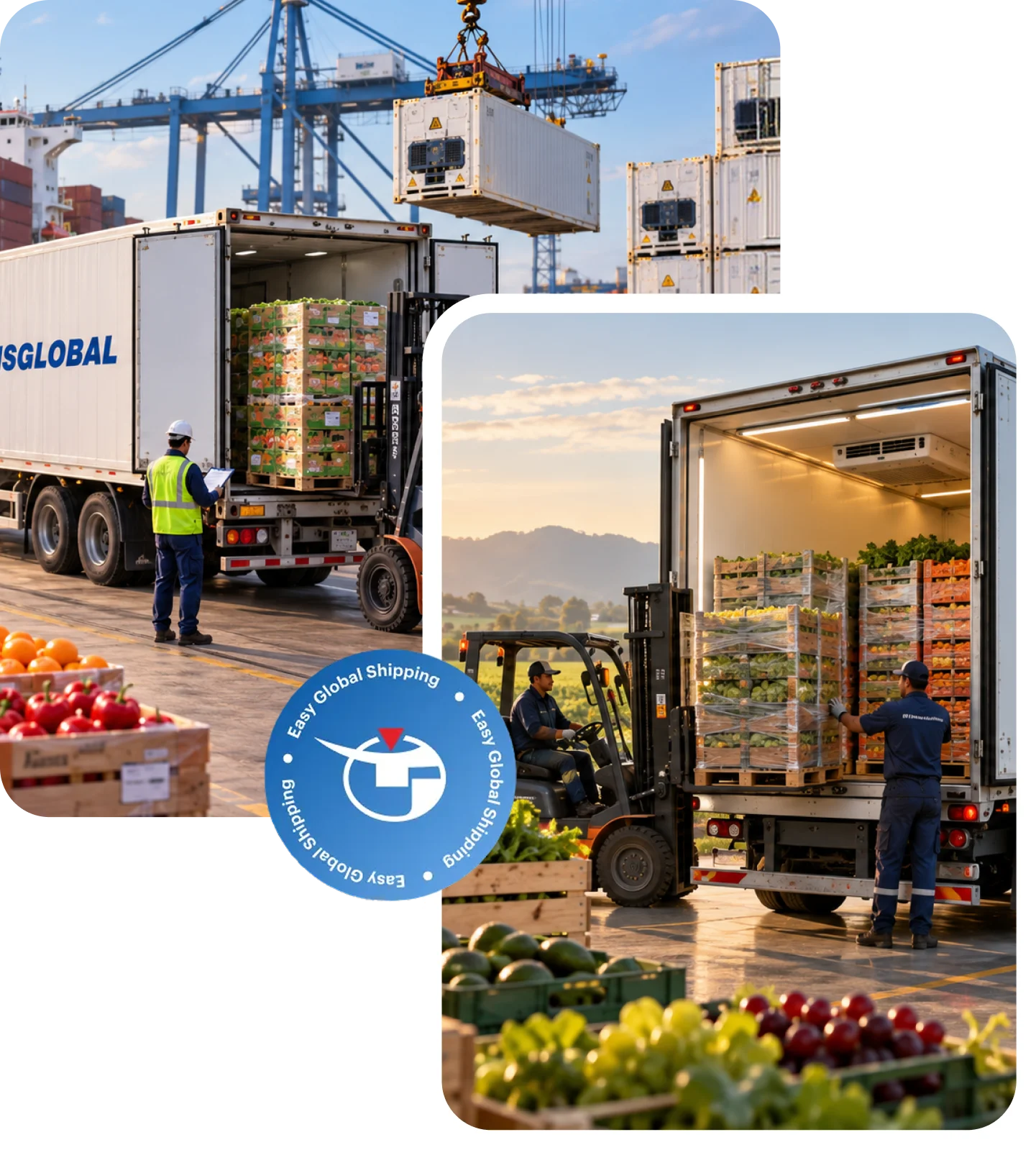
Harvest Timing, Shelf Life and Product Condition Shape Every Shipment
Agricultural supply chains work around growing seasons, harvest windows and the condition in which products need to reach the buyer. Fresh fruit and vegetables may have a limited shelf life after harvest, while other agricultural commodities move according to seasonal volumes, production schedules and market demand. For growers, producers and exporters, transport planning starts with understanding the commodity, since harvest timing, post-harvest handling, packaging and transit time can all influence when the goods should leave and how they should reach the next stage of the supply chain.
-
 Working Around Harvest WindowsCollections need to align with harvesting, grading and packing so produce can leave the farm or packhouse when it is ready for dispatch.
-
 Protecting Post-Harvest ConditionFresh produce requires transport planning that considers shelf life, product sensitivity, packaging and any specific handling requirements.
-
 Meeting Market TimelinesDispatch needs to work around buyer requirements, seasonal demand and the dates on which importers, distributors or produce markets expect the goods.
Each Agricultural Commodity Requires the Right Transport Conditions

Perishable Goods Transport
Planning freight around shelf life, product sensitivity, transit time and any specified handling or temperature requirements.

Agricultural Goods Transport
Coordinating agricultural commodities according to product type, shipment volume, packaging, origin and destination requirements.
Fresh Produce Shipments
Planning fruit, vegetables and other fresh consignments around harvest timing, packing completion, freight schedules and expected transit time.

Farm & Packhouse Collections
Coordinating collection after grading and packing, with consideration for loading arrangements, collection times and access at origin.

Agricultural Export Requirements
Managing applicable freight and customs documentation, with commodity-specific certificates or permits considered where required by the destination market.

Seasonal Volume Planning
Preparing freight requirements around harvest periods when larger volumes need to move into domestic distribution or export channels.
Why Farmers and Exporters Choose Transglobal for Time-Sensitive Freight
Fresh produce, packaged agricultural goods and other commodities do not all have the same transport requirements. Transglobal coordinates road, air and sea freight around the characteristics of the product, shipment volume, available transit time and destination. Our approach starts with what is being shipped and what needs to happen before it reaches the buyer, helping agricultural businesses make practical freight decisions around their commercial and delivery requirements.

Starting with the Commodity
Product characteristics, shelf life, packaging and any specific handling requirements are considered before the freight arrangement is selected.

Working Within the Available Window
Harvest dates, packing completion, freight schedules and required arrival dates are considered together when planning time-sensitive consignments.
Responding to Transit Exceptions
Shipment progress is communicated so relevant parties can respond when schedule changes or delays could affect the planned arrival of sensitive goods.
Connecting South African Producers
with Buyers Across International Markets
Through its worldwide forwarding network, Transglobal coordinates agricultural exports from South African producers through international freight, customs requirements and destination arrangements, with each movement planned around the commodity, origin, required arrival window and needs of the receiving market.





Answers to Your Agriculture and Perishable Freight Questions
The appropriate timing depends on the commodity, post-harvest process, shelf life and destination. Harvesting, grading, packing and dispatch should be considered together so avoidable delays do not reduce the product's remaining marketable life.
The requirement depends on the individual commodity and its specified storage and transport conditions. Product temperature requirements, journey duration, packaging and destination should be established before deciding whether refrigerated or another suitable transport arrangement is needed.
Requirements vary according to the commodity and destination country. Customs and commercial documentation may be required, while certain agricultural products can also require phytosanitary certificates, permits or other supporting documents depending on applicable import requirements.
Transit time is only one factor. Product condition at dispatch, temperature exposure, packaging, ventilation, handling and the requirements of the individual commodity can all influence its condition on arrival.
The suitable mode depends on shelf life, shipment volume, destination, available schedules, product requirements and commercial priorities. Air freight provides shorter transit times, while sea freight may suit larger volumes where the commodity and required conditions allow for a longer journey.