

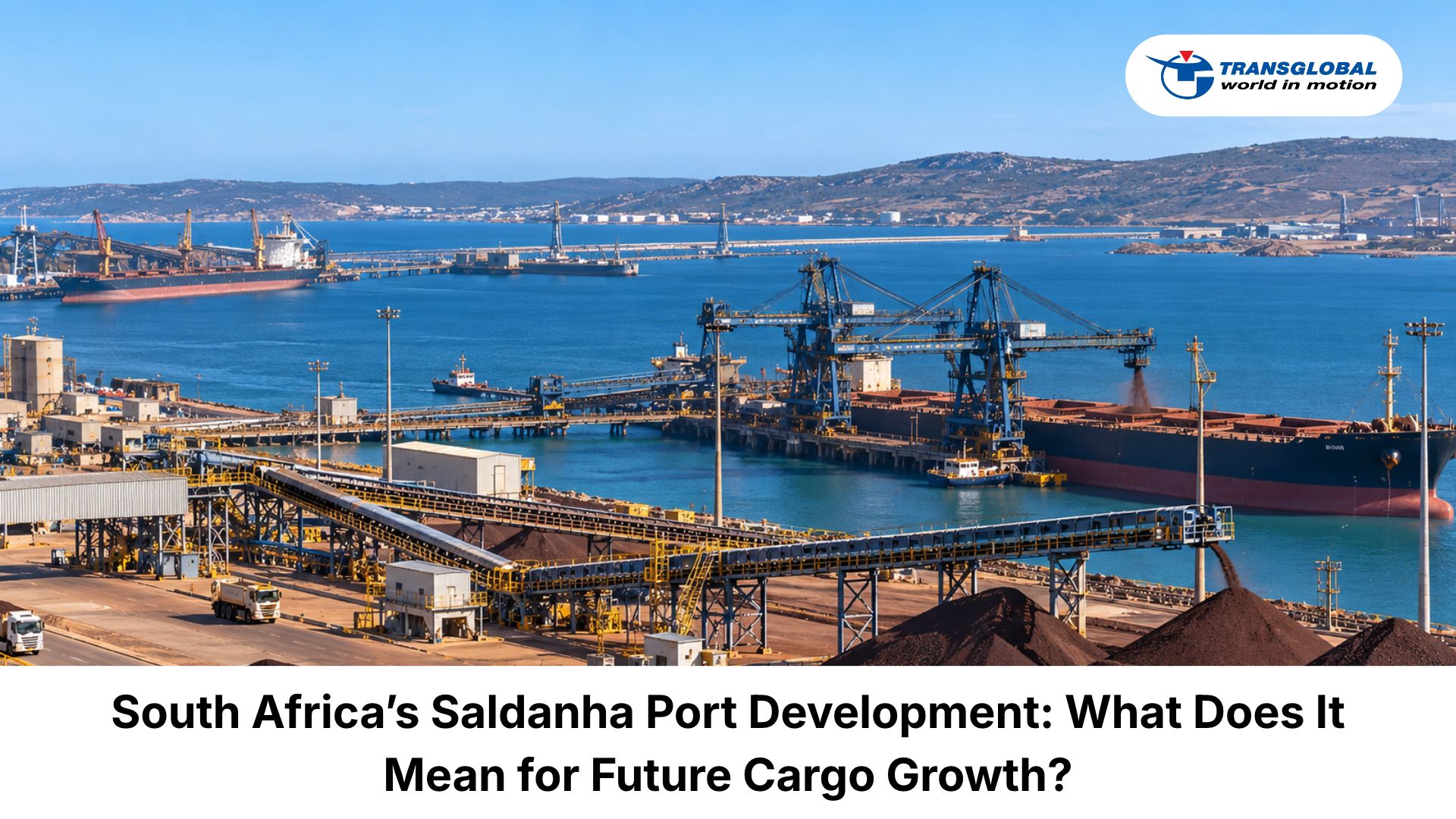
South Africa’s West Coast is preparing for a new phase of port-linked industrial development.
Transnet National Ports Authority (TNPA) and Freeport Saldanha have signed a 25-year lease covering approximately 55 hectares of land in the Southern Precinct of the Port of Saldanha.
The agreement creates an opportunity for industrial and maritime projects, with an investment pipeline valued at approximately R6.9 billion.
Proposed developments include marine and bunkering services, manufacturing facilities, energy infrastructure and liquefied natural gas (LNG) import and storage capacity.
For South Africa’s freight and logistics sector, this is an important development.
The investment could eventually create demand for machinery movements, industrial cargo, storage facilities and international shipping services.
However, the lease is only the starting point. Individual investor agreements, construction and operational developments are still to follow.
👉 The real opportunity is not simply expanding port infrastructure, but creating an industrial environment where manufacturing, energy and logistics can grow together.
⚓ Saldanha’s 25-Year Lease Creates a Platform for Industrial Growth
The agreement gives Freeport Saldanha long-term access to port-linked land, creating greater certainty for businesses considering investments in the area.
That certainty matters.
Large industrial projects need suitable land, access to transport infrastructure and confidence that facilities can operate over many years.
Freeport Saldanha can now work towards attracting investors across sectors such as marine engineering, energy, manufacturing, warehousing and agro-processing.
The agreement also strengthens the relationship between the Port of Saldanha and the surrounding special economic zone.
For prospective investors, the advantage is the opportunity to develop industrial activities close to maritime infrastructure rather than relying entirely on distant production or distribution locations.
🏭 What Industries Could Benefit from the Development?
The proposed investment pipeline covers several industries, each with different cargo requirements.
Marine and offshore services could create demand for technical equipment, maintenance components and vessel-related supplies.
Manufacturing and engineering facilities may require imported machinery, production materials and the movement of finished products.
Energy infrastructure, including proposed LNG import and storage facilities, could involve specialised plant, industrial equipment and supporting infrastructure.
Logistics and warehousing activities may also develop as businesses establish operations around the port.
These opportunities are not confirmed cargo volumes or completed projects.
Their significance lies in the range of industries that could eventually operate within the precinct.
Each would create different requirements for transport, handling, storage and international trade.
🚢 Why Port-Linked Industries Matter for Export Logistics?
Ports become more valuable to trade when surrounding industries can use them effectively.
A manufacturing facility located near a port may benefit from shorter connections between production, storage and vessel loading.
Similarly, imported machinery or raw materials may need fewer inland movements before reaching their intended industrial destination.
These benefits depend on the infrastructure and operations that are eventually developed.
For exporters, efficient sea freight involves more than securing space on a vessel.
Cargo must be prepared, documented, transported and delivered to the correct terminal within the required shipping window.
The development of industrial activity around Saldanha could strengthen those connections over time, particularly for businesses handling bulk commodities, manufactured products and specialised equipment.
🏗️ New Industrial Projects Could Create Demand for Specialist Cargo Movement
Before new industrial facilities become operational, equipment and construction materials must reach the site.
Manufacturing plants, energy installations and marine facilities can require heavy machinery, structural components and equipment that cannot always move using standard transport arrangements.
These movements may involve specialised vehicles, lifting equipment, abnormal-load permits and carefully planned delivery schedules.
This is where project cargo logistics becomes relevant.
For proposed energy facilities, the movement of critical equipment may also require coordination between international suppliers, port operators and construction teams.
Effective energy logistics considers these requirements before equipment is dispatched, particularly where cargo dimensions, weight or site access influence delivery arrangements.
As Saldanha’s investment pipeline develops, the logistics requirements will depend on which projects secure funding and move into construction.
📦 Warehousing and Inland Transport Will Shape Cargo Flow
Port-linked industrial growth also depends on what happens beyond the terminal.
Imported equipment may need temporary storage before installation. Manufacturers may require inventory space for raw materials, while exporters may need consolidation facilities before shipping.
These activities create potential demand for warehousing and supporting distribution services.
Inland transport will remain equally important.
The ability to connect Saldanha with suppliers, customers and industrial centres across South Africa will influence how effectively new businesses can operate.
For logistics providers, future planning may involve coordinating inbound materials, industrial equipment, local deliveries and outbound cargo through the same supply chain.
The objective is to ensure that investment in industrial facilities is supported by practical freight capacity.
📈 What Should Exporters and Logistics Businesses Watch Next?
The lease creates a development platform, but its economic impact will depend on implementation.
Several developments will indicate whether the investment pipeline is progressing:
- Investor agreements for individual industrial projects
- Confirmed construction schedules and infrastructure commitments
- Development of marine, manufacturing and energy facilities
- New storage, handling and transport requirements
- Actual increases in industrial activity and cargo movement
These milestones matter because investment proposals do not automatically translate into immediate freight demand.
Exporters, manufacturers and logistics businesses will need to follow how the projects develop before making assumptions about future cargo volumes.
🚚 Conclusion: Saldanha’s Growth Depends on Turning Investment into Cargo Movement
The 25-year agreement between TNPA and Freeport Saldanha represents an important step towards expanding industrial opportunities along South Africa’s West Coast.
With approximately 55 hectares available for development and a proposed R6.9 billion investment pipeline, the precinct has the potential to support manufacturing, energy infrastructure and maritime services.
But the real measure of progress will come when investor commitments lead to operational facilities, employment and cargo activity.
For businesses preparing to participate in these developments, early freight planning will become important as project requirements take shape.
Working with specialist freight forwarders can help align international shipping, industrial cargo handling and inland transport with future project requirements.
Ultimately, Saldanha’s opportunity is about more than making land available for investment.
👉 It is about turning industrial development into stronger supply chains, greater export capacity and long-term economic activity.


Comments