

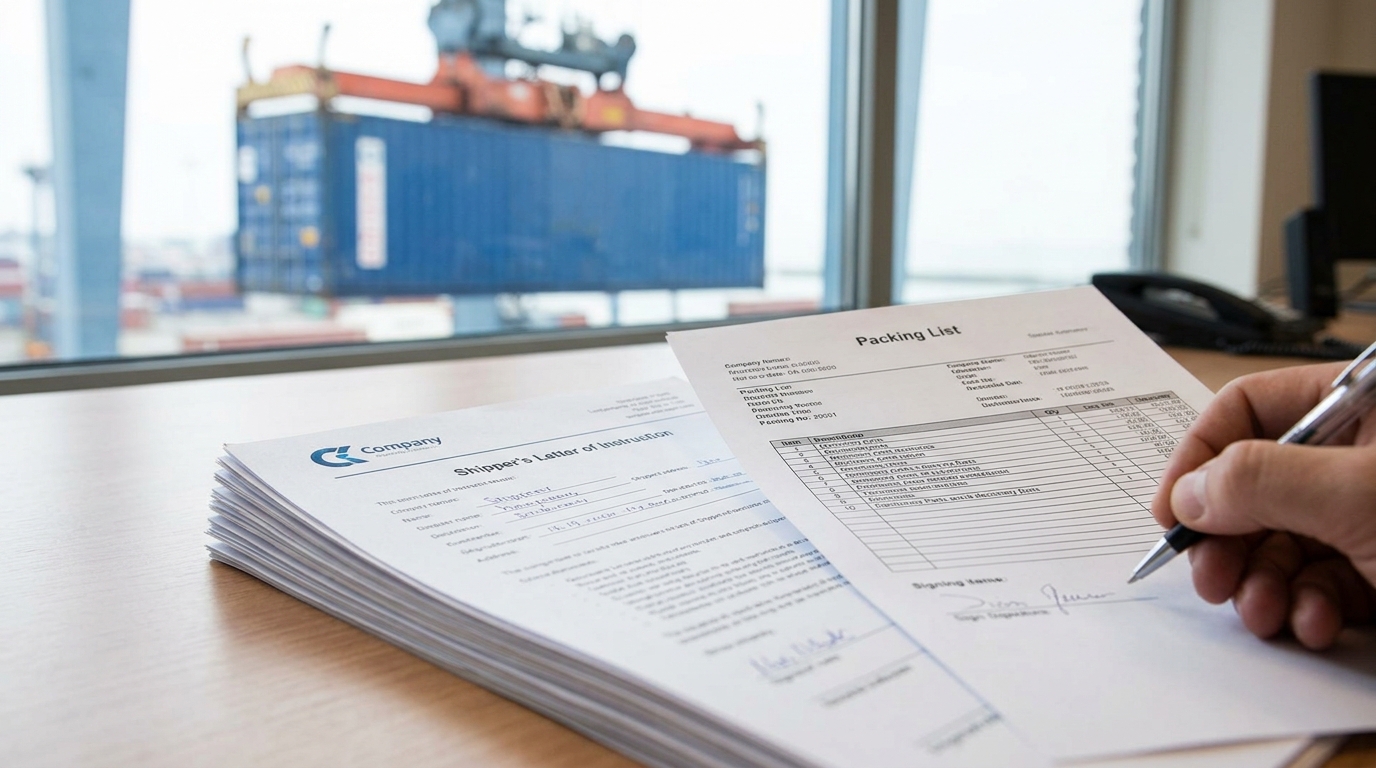
A container can be packed, sealed, and ready at the port, but still not move.
That’s the reality many importers and exporters face today. In global shipping, delays are no longer just caused by congestion or capacity issues. Increasingly, shipments are held back because of documentation gaps, compliance errors, or regulatory mismatches.
In a world where customs authorities are stricter and supply chains are under constant pressure, getting your documentation right is what separates a smooth shipment from a costly delay.
For businesses moving cargo across borders, especially high-value, regulated, or sensitive goods, documentation is not just paperwork. It is the foundation of your entire logistics operation.
Why has Documentation become Critical in Global Shipping Today?
International shipping involves multiple stakeholders, including carriers, customs authorities, ports, banks, and logistics providers. Every one of them relies on accurate documentation to process your shipment.
If your documents are correct and aligned, your cargo moves. If not, it stops.
Today’s logistics environment has made documentation even more important. Governments are tightening compliance checks, digital customs systems are flagging inconsistencies instantly, and global trade regulations are evolving faster than ever.
For businesses shipping containers overseas, this means one thing: documentation errors are no longer minor issues, they are major operational risks.
What are the Essential Documents Required for Container Shipping?
Every overseas shipment is supported by a set of core documents that must be accurate, consistent, and complete.
The Bill of Lading (B/L) is the most critical document in ocean freight. It acts as a contract of carriage, proof of shipment, and ownership document. Any mismatch in consignee details, cargo description, or quantities can delay cargo release at the destination.
The Commercial Invoice outlines the transaction details, including the value of goods, buyer and seller information, and payment terms. Customs authorities use this document to calculate duties and taxes.
The Packing List provides a detailed breakdown of how goods are packed inside the container. It includes weight, dimensions, and packaging details, helping customs officials verify shipments efficiently.
The Certificate of Origin confirms where the goods were manufactured. This is especially important for applying trade agreements and determining duty rates.
The Customs Declarations, both export and import, must be filed accurately and within the required timelines. These declarations ensure that your shipment is legally cleared for international movement.
For specialized cargo such as explosives, hazardous materials, or dangerous goods, additional documentation is mandatory. This may include dangerous goods declarations, safety data sheets (SDS), and compliance certificates aligned with international regulations.
How Compliance Requirements Differ for Specialized Cargo?
Not all shipments are treated the same. When dealing with regulated cargo such as explosives, hazardous materials, or military and defence shipments, compliance becomes significantly more complex.
These shipments are governed by strict international standards and local regulations. Documentation must reflect exact classifications, handling instructions, and safety protocols.
For example, Dangerous Goods (DG cargo) requires proper classification under international codes, accurate labeling, and detailed declarations. Any deviation can lead to shipment rejection or safety risks.
In the case of explosives and armaments, additional permits, security clearances, and coordination with authorities are required. These shipments often involve route approvals, escorts, and strict monitoring throughout the journey.
This is where expertise becomes critical. Handling such cargo requires a deep understanding of compliance frameworks, not just basic shipping knowledge.
What are the Common Documentation Challenges Businesses Face?
Many businesses underestimate how small errors can create major disruptions.
One of the most common issues is inconsistency between documents. When details such as product descriptions, quantities, or values do not match across the invoice, packing list, and Bill of Lading, customs systems flag the shipment for inspection.
Incorrect classification is another frequent problem. Using the wrong HS code can result in incorrect duty calculations and compliance issues.
Missing documentation can stop a shipment completely. Even a single missing certificate or declaration can delay clearance by days or weeks.
Timing also plays a role. Late submission of documents can result in missed vessel cut-offs, storage charges, or additional handling costs.
In high-risk cargo, these mistakes are not just delays, they can lead to serious compliance violations.
How Documentation Impacts Freight Costs, Transit Time, and Risk?
Documentation directly influences how efficiently your shipment moves.
When documents are accurate, customs clearance is faster, reducing transit time and avoiding unnecessary delays at ports. This helps maintain delivery schedules and customer commitments.
On the cost side, proper documentation prevents fines, demurrage, and detention charges. It also ensures that duties and taxes are calculated correctly, avoiding unexpected expenses.
From a risk perspective, compliance reduces the chances of inspections, cargo holds, and legal complications. This is especially important for sensitive cargo such as hazardous materials, explosives, and defence shipments.
In simple terms, accurate documentation saves time, reduces cost, and minimizes risk.
Transglobal’s Role Goes Beyond Moving Cargo
In today’s complex logistics environment, documentation and compliance require more than just basic processing, they require expertise and proactive management.
At Transglobal, the focus is not limited to one mode of transport. Whether it is sea freight, air freight, or road freight, every shipment is managed with a clear understanding of documentation and compliance requirements.
For standard container shipments, the team ensures that all documents are accurate, aligned, and submitted on time. For specialized cargo such as dangerous goods, hazardous materials, explosives, and project cargo, additional layers of compliance are handled with precision.
Transglobal also brings extensive experience in handling military logistics, defence shipments, and armaments, where documentation is not just detailed, it is highly regulated and sensitive. Every requirement, from permits to security protocols, is managed carefully to ensure full compliance.
The approach is proactive. Potential issues are identified before they become problems, documentation is reviewed thoroughly, and clients are guided through every step of the process.
With real-time communication and complete visibility, businesses can stay informed and maintain control over their shipments, even in complex logistics scenarios.
Why Strategic Documentation Planning is a Business Advantage?
In global shipping, preparation defines performance.
Businesses that treat documentation as a strategic process, not just an administrative task, gain a clear advantage. They experience fewer delays, lower costs, and more reliable delivery timelines.
Strategic documentation planning involves preparing documents in advance, ensuring consistency, and aligning them with regulatory requirements. It also includes staying updated with changing trade regulations and adapting quickly.
Working with an experienced logistics partner strengthens this advantage, providing access to expertise, systems, and industry knowledge that ensure smooth execution.
Conclusion
Shipping containers overseas is not just about moving cargo, it is about moving it correctly.
In today’s global logistics environment, documentation and compliance play a critical role in determining whether your shipment moves smoothly or faces delays and risks.
Businesses that prioritize accuracy, compliance, and strategic planning are better equipped to handle the complexities of international trade.
If you are looking to simplify your shipping process, reduce risk, and ensure your cargo moves without disruption, contact us. It is time to work with experts who understand every detail of global logistics.
Partner with a trusted freight forwarder and experienced team that can manage your shipments across sea, air, and road with complete confidence. Choose a freight forwarder who goes beyond execution and delivers safe, compliant, and reliable logistics solutions for every type of cargo, no matter how complex.
Frequently Asked Questions
What documents are required for overseas container shipping?
Key documents include the Bill of Lading, Commercial Invoice, Packing List, Certificate of Origin, and customs declarations.
Do hazardous or dangerous goods require additional documentation?
Yes, shipments like dangerous goods, explosives, and hazardous materials require special declarations, permits, and compliance certificates.
How can I avoid delays due to documentation errors?
Ensure all documents are accurate, consistent, and prepared in advance, and work with an experienced freight forwarder for compliance support.
Comments