

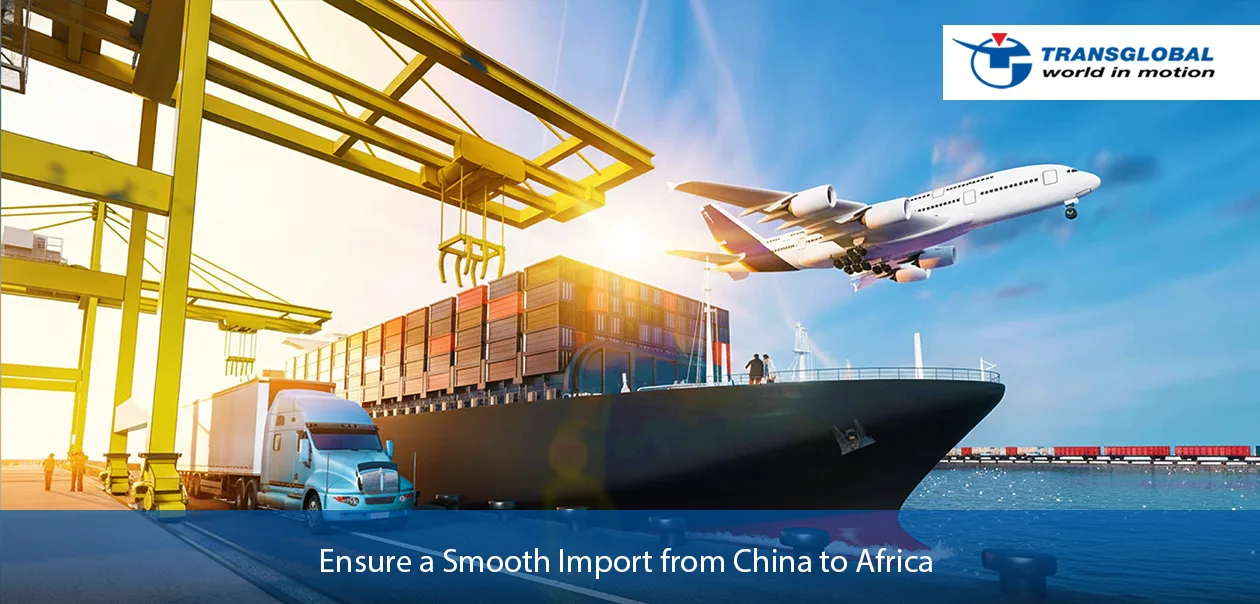
The China-to-Africa trade corridor is growing faster than ever. In 2023 alone, China’s exports to Africa surpassed $165 billion, making it the continent’s largest trading partner. But for many African importers, especially first-timers, the process of importing goods from China can feel overwhelming. From dealing with suppliers to navigating customs clearance, it’s not just about finding the right product, it’s about understanding the full import chain and minimizing risks at every step.
This blog will walk you through the essentials of importing from China to Africa, what you need to know, how to prepare, and how to avoid costly delays along the way.
Why Do African Businesses Import from China?
China’s rise as the “World’s Factory” has transformed global trade. Its manufacturing ecosystem offers:
- Affordable production costs
- Massive product variety
- Shorter lead times due to industrial clusters
- Advanced supply chain infrastructure
From machinery and electronics to textiles and home goods, businesses across Africa rely on Chinese imports to meet consumer demand and fuel industrial growth.
But affordability alone doesn’t guarantee success. The real advantage comes when importers understand how to navigate procurement, compliance, and logistics effectively.
What’s Involved in the China-Africa Import Process?
The import journey from China to Africa involves more than just choosing a product and paying an invoice. It requires coordination across multiple stages:
1. Supplier Selection and Communication
Many African businesses use different platforms or attend trade expos to find suppliers. Key tips include:
- Request samples before placing large orders
- Use clear written agreements (preferably with Incoterms)
- Vet the supplier’s track record (look for verified certifications)
- Be mindful of communication gaps, use simple, direct English
Working with a freight forwarding partner in China can also help bridge time zone, language, and cultural differences.
2. Know Your Incoterms® and Responsibilities
Incoterms define who pays for what during shipment, from origin to destination. The most common Incoterms used for China-Africa trade include:
FOB (Free on Board): Supplier delivers goods to the port; buyer handles freight
CIF (Cost, Insurance, Freight): Supplier covers shipping and insurance
EXW (Ex Works): Buyer handles everything from the supplier’s gate
3. The Role of Customs, HS Codes & Tariffs
Every product has an HS code (Harmonized System code), an international standard that classifies goods. This determines:
- Import duties and VAT
- Required licenses
- Customs clearance procedures
African customs authorities (like Nigeria Customs, KRA, or SARS) rely heavily on HS codes for inspections and valuation. Getting the code wrong can cause:
- Clearance delays
- Fines or penalties
- Shipment seizures
4. Prepare the Right Documentation
To import from China smoothly, ensure you have the following documents:
- Commercial Invoice
- Packing List
- Bill of Lading (B/L) or Air Waybill
- Certificate of Origin
- Import Permit or license (for restricted items)
- Proof of payment or Letter of Credit (LC), if applicable
Incomplete or incorrect paperwork is one of the top reasons for customs delays across African ports.
Choosing the Right Import Solution
Whether you’re a small trader or a large distributor, there are multiple ways to structure your import from China:
Option 1: Full-Container Shipping (FCL)
Best for bulk imports where you can fill a 20ft or 40ft container. Offers lower cost per unit and better security.
Option 2: Less-than-Container Load (LCL)
Great for smaller volumes, you only pay for the space you use. Best if you’re testing new products or working with limited budgets.
Option 3: Air Freight
Ideal for high-value or urgent goods (e.g., electronics, fashion, spares). More expensive but much faster than ocean freight.
Option 4: End-to-End Import Partner
Some freight forwarders and logistics companies offer door-to-door import solutions, including customs, warehousing, and final-mile delivery. This is useful if you’re importing for the first time or dealing with complex cargo like hazardous goods, project cargo, or high-value luxury vehicles.
Making China-Africa Trade Work for You
Smooth importing from China to Africa isn’t just about knowing where to buy. It’s about having the right partners, being compliance-ready, and understanding each milestone in the logistics process.
Here’s where companies often stumble:
- Poor HS classification
- Weak supplier agreements
- Unclear Incoterms
- Missing permits
- No plan for inland delivery
If you’re ready to improve your importing processes, work with a logistics partner who understands both sides, the manufacturing complexity in China, and the regulatory reality in Africa.
Conclusion
From selecting suppliers to clearing customs and final delivery, importing from China to Africa involves multiple moving parts. But with the right preparation and partnerships, it can become a powerful driver of business growth and customer satisfaction.
As a trusted freight forwarder in Africa at Transglobal Cargo, we help African businesses import confidently, whether it’s general cargo or specialized freight like military logistics, dangerous goods, or collectibles. Let us simplify your supply chain and get your goods moving on time, every time.
Let’s talk about your next import from China.
Frequently Asked Questions
How long does it take to import from China to Africa by sea?
On average, sea freight takes between 25–40 days depending on the port of origin and destination. Air freight reduces this to 3–10 days.
What’s the best Incoterm for a first-time importer?
FOB is often recommended — it balances responsibility between the supplier and importer and keeps shipping cost control with you.
Do I need a license to import from China into Africa?
Yes. Most countries require a business registration, tax ID, and import permit for commercial imports. Check with your local customs authority for specific rules.
Comments