

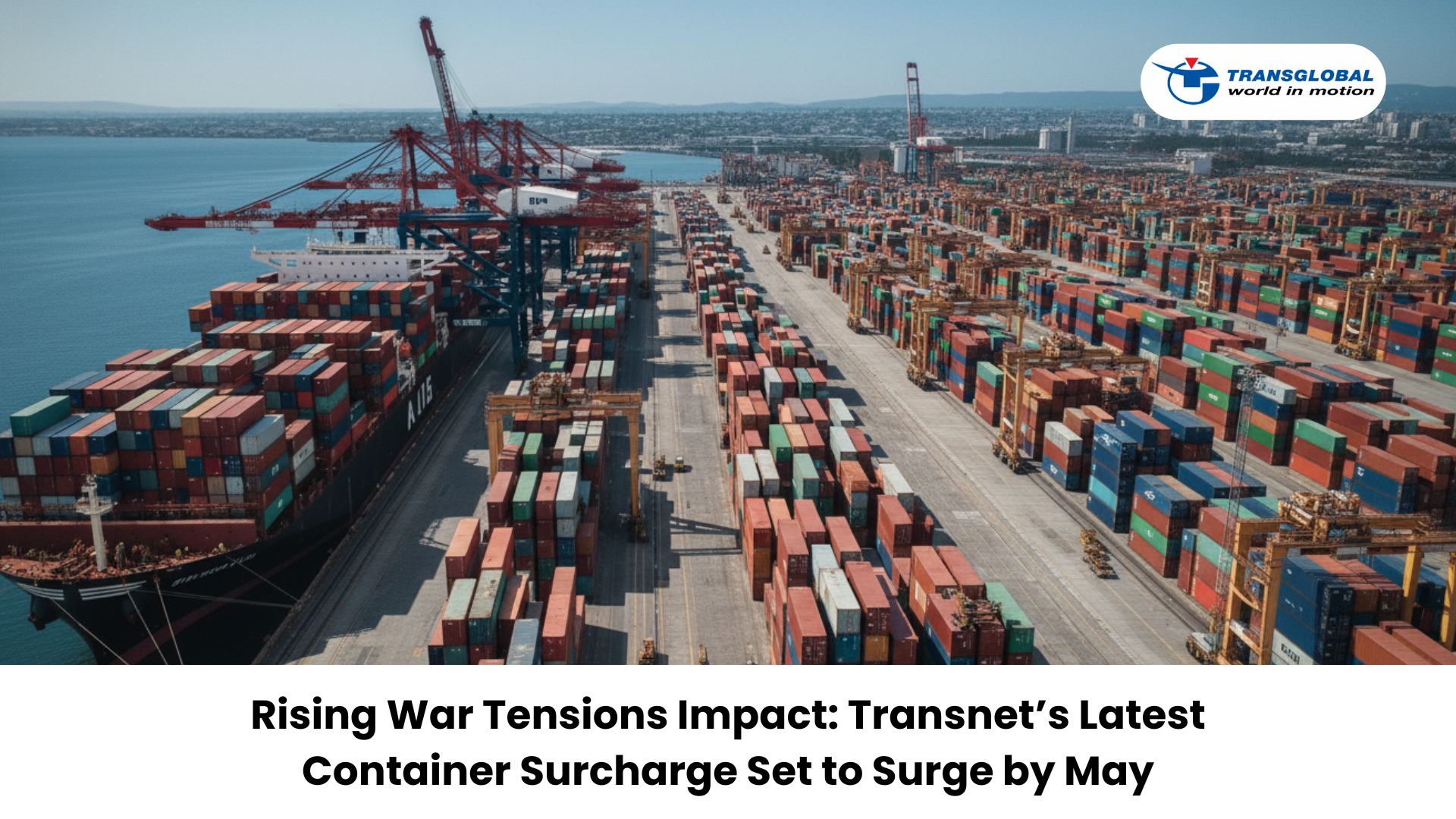
Global disruptions are no longer distant headlines, they are now directly reflected in your freight invoices.
The latest development?
Transnet has introduced a new container surcharge, with indications that it could increase significantly, potentially even triple in the coming months.
For importers, exporters, and freight forwarders, this is not just another line item.
It is a clear signal that geopolitical risk is now a direct cost driver in logistics.
So the real question is:
Are your supply chain costs still under control, or already shifting beneath you?
🌍 Why is this Surcharge Happening Now?
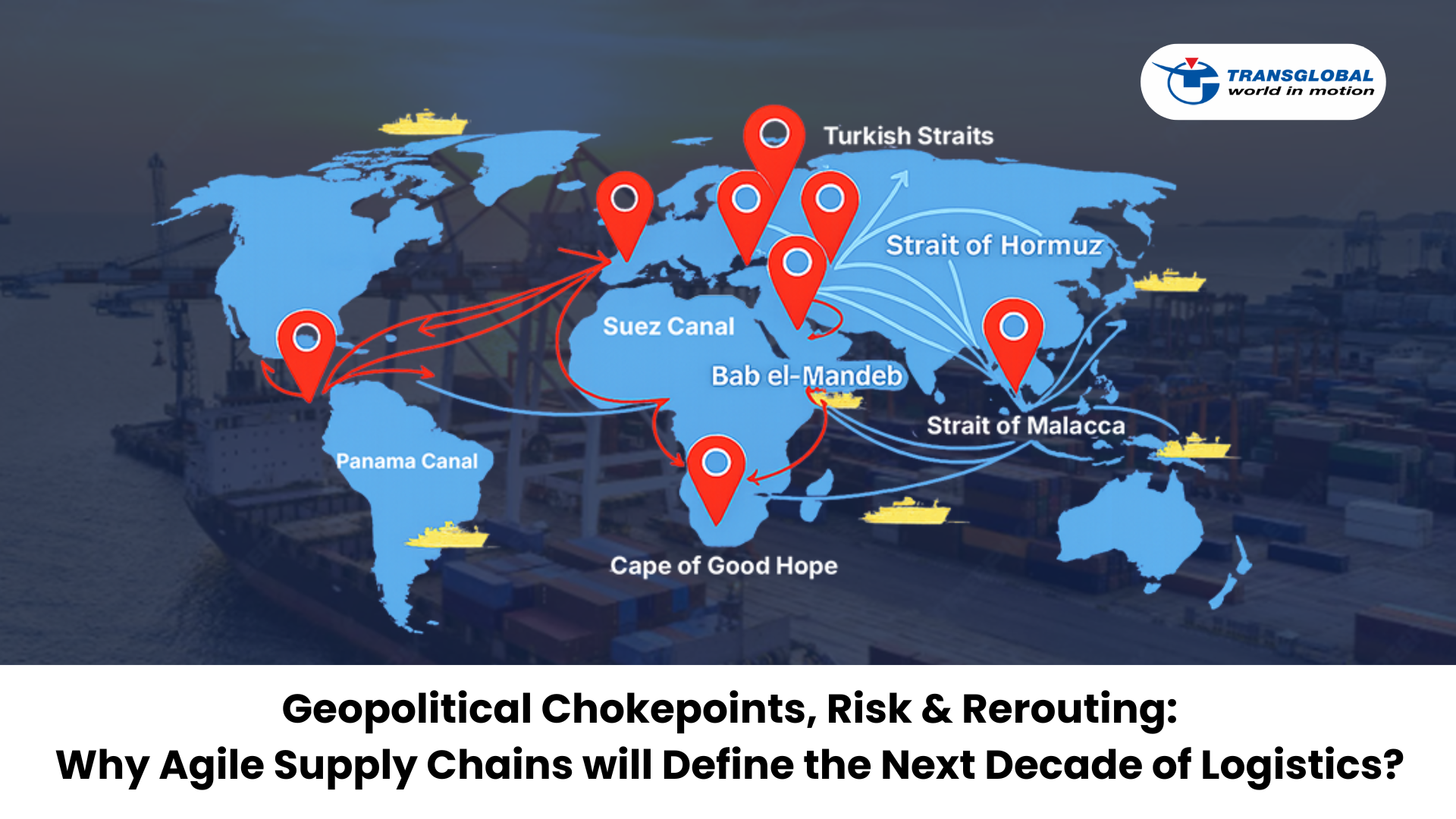
The introduction of this surcharge is closely tied to ongoing global instability, particularly in key maritime regions.
Disruptions linked to geopolitical tensions have created:
⚠️ Increased pressure on global shipping routes
🚢 Vessel delays and rerouting challenges
💰 Rising insurance and security costs
📦 Operational inefficiencies across ports
For port authorities like Transnet, these pressures translate into higher operational costs, which are now being passed through the system.
👉 In simple terms:
When global risk rises, port costs follow.
📊 What does this Mean for Container Shipping Costs?
The immediate impact of the new surcharge is already being felt across containerized trade.
Key concerns include:
📈 Higher cost per container across imports and exports
📄 Additional surcharges layered on top of existing port and carrier charges
⏱️ Increased cost uncertainty for shipments planned weeks or months ago
The possibility that this surcharge could triple in May adds another level of urgency.
👉 This is not a gradual increase, it is a potential cost spike within a very short timeframe.
⚠️ The Real Impact: More than Just One Fee
What makes this situation critical is that the surcharge does not exist in isolation.
It comes on top of existing pressures in the logistics environment:
⛽ Rising fuel costs
💱 Currency fluctuations impacting international trade
🚢 Ongoing global freight rate volatility
🔒 War-risk insurance premiums are still active
When combined, these factors create a compounding cost effect.
📊 For many businesses, the actual increase in total logistics spend may be far higher than the surcharge alone suggests.
🚢 Operational Challenges Beyond Cost
While pricing is a major concern, operational challenges are also increasing.
Logistics operators are now dealing with:
⚓ Port congestion due to shifting vessel schedules
🔁 Rerouting of shipments to avoid high-risk areas
📦 Delays in cargo movement and clearance
📊 Difficulty in forecasting accurate transit times
👉 This means businesses are facing a dual challenge:
Higher costs and reduced predictability.
🔍 Why this Matters for Your Business?
For many importers and exporters, the biggest risk right now is not the surcharge itself, but the lack of visibility around it.
Shipments already in transit or recently booked may:
💰 Incur unexpected additional charges
📄 Lead to invoice discrepancies
📉 Impact profit margins on fixed contracts
This is particularly critical for businesses operating on tight margins or long-term pricing agreements.
👉 If your cost assumptions haven’t been updated recently, they may already be outdated.
🔄 How Smart Logistics Teams are Responding?
In today’s environment, successful businesses are not waiting for stability, they are adapting to volatility.
Key actions being taken include:
📊 Conducting immediate cost reviews for all active shipments
🔍 Monitoring surcharge updates and carrier notices in real time
🔁 Exploring alternative routing strategies where feasible
🤝 Strengthening partnerships with experienced freight forwarders
👉 The focus has shifted from cost optimization to cost awareness and control.
🧭 A Bigger Shift: Risk is Now Built Into Logistics Pricing
This development highlights a broader trend in global trade.
Logistics costs are no longer driven only by distance, fuel, or demand.
They are increasingly influenced by:
- Geopolitical stability
- Trade route security
- Regulatory and compliance pressures
👉 In other words:
Risk has become a permanent input cost in logistics.
🔮 What to Expect Next?
Looking ahead, the situation remains dynamic.
Businesses should be prepared for:
📈 Further surcharge adjustments in the coming months
⚠️ Continued volatility in shipping costs
🔄 Ongoing changes in routing and scheduling
The key is not to predict exact outcomes, but to prepare for multiple scenarios.
🚚 Conclusion
In times like these, logistics is no longer just about moving cargo, it is about navigating uncertainty.
The introduction of Transnet’s surcharge is a clear reminder that supply chains must now be flexible, informed, and proactive.
Working with the best freight forwarder ensures that your shipments are not only managed but strategically guided through changing cost structures and operational risks.
Because when costs rise and conditions shift, success depends on more than movement, it depends on making the right decisions at the right time.
Comments