

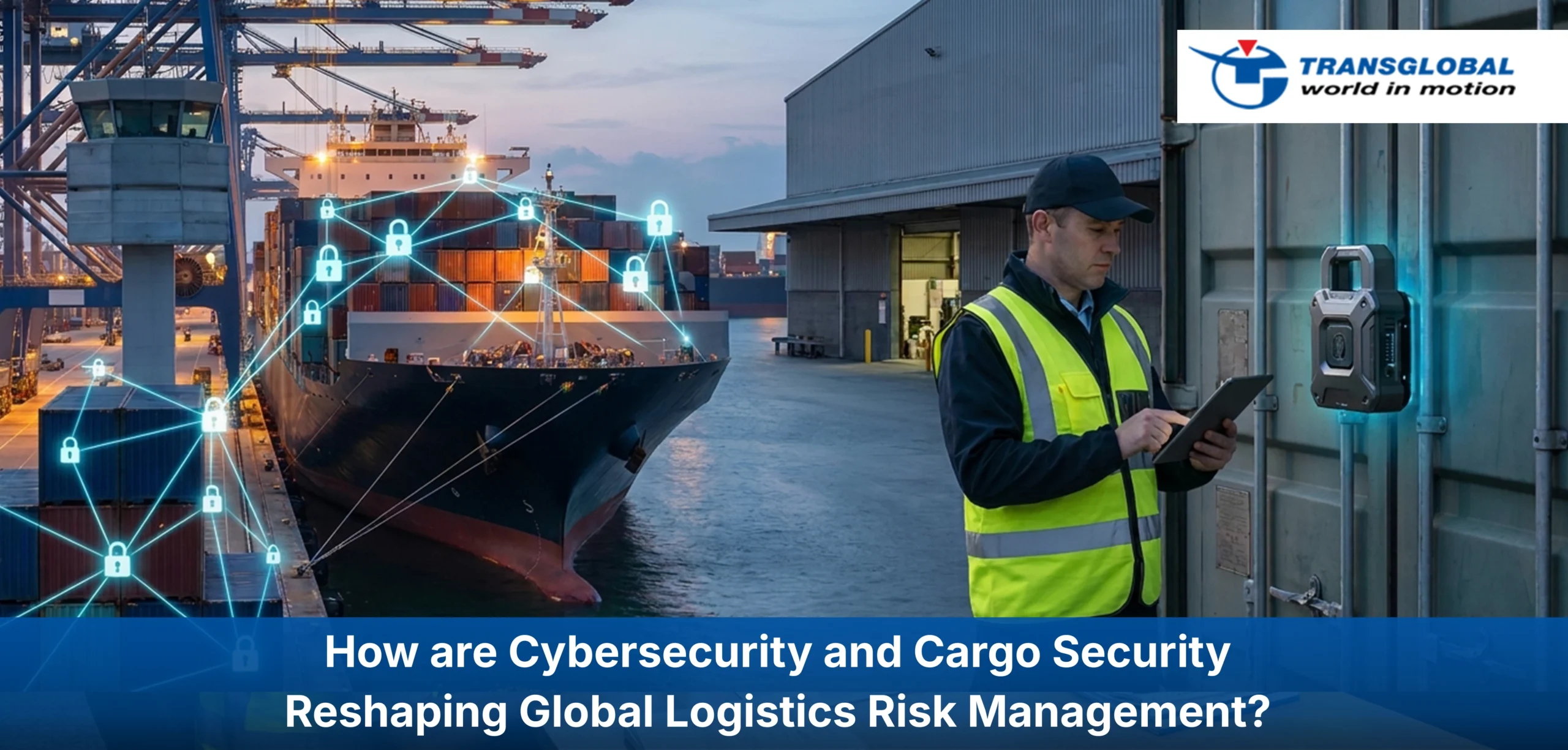
A shipment can now be stolen without a truck door ever opening.
That is the new reality facing the global logistics industry.
For years, cargo security focused heavily on physical threats such as hijacking, warehouse theft, and port crime. Today, however, logistics risks are evolving rapidly. Cybercriminals are increasingly targeting freight systems, shipment schedules, digital platforms, and operational data.
As supply chains become more connected and technology-driven, logistics businesses are discovering that cybersecurity and cargo protection are no longer separate conversations. They are now part of the same risk management strategy.
For importers, exporters, freight forwarders, and logistics operators, understanding this shift has become essential.
Why Logistics has Become a Target for Cybercrime?
The logistics sector manages large volumes of sensitive information every day.
Shipment schedules, customs data, payment systems, cargo tracking platforms, transport management systems, and customer records all create valuable targets for cybercriminals.
As companies increase digital integration across sea freight, air freight, and road freight operations, cyber vulnerabilities are expanding.
Criminal syndicates are no longer relying only on physical theft. Many now combine cyber intrusion with operational manipulation to target high-value cargo.
This includes:
- Phishing attacks targeting logistics staff
- Manipulation of shipment schedules
- Interception of dispatch instructions
- GPS tracking disruption
- Payment fraud
- Ransomware attacks on logistics systems
These attacks can create major operational disruption across the supply chain.
How Cyberattacks Impact Cargo Operations?
A cyberattack in logistics does not just affect computers. It affects cargo movement, customer commitments, and operational continuity.
When digital systems are compromised, shipments may be delayed, rerouted, or exposed to theft risks.
Ports, airports, transport providers, and customs systems all depend heavily on digital infrastructure today. Any disruption can impact the movement of cargo globally.
Past attacks on transport infrastructure have shown how ransomware and system outages can cause severe delays across port and rail operations, creating financial losses across multiple industries.
For logistics businesses, the financial impact extends beyond recovery costs. Delays, customer dissatisfaction, insurance complications, and reputational damage can have long-term consequences.
Why Cargo Security is Becoming More Intelligence-Driven?
Traditional cargo protection methods are no longer enough.
Basic tracking systems and manual document checks cannot fully protect against organized criminal activity that combines cyber intelligence with physical operations.
Today’s cargo security strategies increasingly rely on:
- Real-time visibility systems
- Digital cargo monitoring
- Route intelligence
- Risk analytics
- Compliance verification
- Controlled access systems
This shift is especially important for high-risk cargo such as dangerous goods, explosives, defence cargo, and hazardous materials.
For these shipments, security breaches can create not only financial losses but also major safety and compliance consequences.
Why Compliance and Verification Matter More than Ever?
As risks increase, insurers and regulators are placing more emphasis on verifiable risk management.
Businesses are now expected to demonstrate stronger operational controls and compliance processes before shipments even move.
This includes:
- Accurate cargo declarations
- Verified documentation
- Independent inspections
- Secure cargo handling procedures
- Traceable shipment records
- Cybersecurity controls across logistics systems
The industry is shifting toward a preventative approach where risk mitigation is built directly into logistics operations.
Companies that can provide transparent and verifiable operational controls are better positioned to reduce claims exposure and maintain customer confidence.
How Specialized Cargo Increases Security Expectations?
Certain cargo categories require much higher levels of protection and oversight.
This includes:
- Explosives
- Dangerous goods
- Hazardous materials
- Military cargo
- Defence equipment
- Armaments logistics
- High-value project cargo
These shipments often involve strict regulatory requirements, route restrictions, security clearances, and controlled handling procedures.
Cyber vulnerabilities within these operations create additional risk because shipment information itself may be highly sensitive.
This is why specialized logistics providers must combine physical security, operational compliance, and digital protection into one integrated strategy.
Why Multi-Modal Logistics Requires Coordinated Risk Management?
Modern cargo movements often involve multiple transport modes.
A shipment may move by road to a port, continue by sea freight internationally, and then transfer to air freight or inland transportation at the destination.
Each stage introduces different operational and security risks.
This means risk management must remain consistent across:
- Sea freight operations
- Air freight handling
- Road freight transportation
- Customs and documentation systems
- Warehouse and cargo transfer points
Without coordination across these areas, vulnerabilities increase significantly.
Transglobal’s Role Goes Beyond Moving Cargo
In today’s logistics environment, secure cargo movement requires more than transportation capability.
At Transglobal, logistics planning is built around compliance, visibility, operational control, and risk reduction across every shipment.
Whether managing sea freight, air freight, or road freight operations, the focus remains on ensuring cargo moves securely and efficiently.
For specialized cargo such as dangerous goods, explosives, hazardous materials, military logistics, defence cargo, and armaments transport, this approach becomes even more critical.
The team works proactively to:
- Improve shipment visibility and monitoring
- Support secure handling procedures
- Align shipments with international compliance standards
- Coordinate operational risk controls
- Reduce cargo exposure across high-risk routes
By combining logistics expertise with security-focused planning, Transglobal helps businesses move sensitive cargo with greater confidence.
Why Logistics Businesses Need Smarter Risk Strategies Today?
Global trade is becoming more connected, but also more vulnerable.
Businesses can no longer treat cybersecurity, cargo protection, and compliance as separate operational functions.
The companies that will succeed moving forward are those investing in:
- Visibility and digital traceability
- Proactive compliance management
- Secure cargo operations
- Multi-modal risk coordination
- Experienced logistics partnerships
This is especially important in sectors where cargo sensitivity, operational continuity, and regulatory exposure are high.
Conclusion
The logistics industry is entering a new phase where cargo security and cybersecurity are deeply connected.
As global supply chains become more digital, businesses must rethink how they protect cargo, manage operational risk, and maintain continuity.
From ransomware attacks and shipment manipulation to cargo theft and compliance exposure, today’s logistics environment requires stronger controls and smarter planning.
If your business moves sensitive, regulated, or high-value cargo globally, now is the time to work with a freight forwarding partner that understands modern logistics risk from every angle.
Contact us, we deliver secure, compliant, and strategically managed logistics solutions across sea freight, air freight, and road freight while protecting your cargo throughout the supply chain.
Frequently Asked Questions
How do cyber threats affect the logistics industry?
Cyber threats can disrupt shipment tracking, delay cargo movement, manipulate dispatch systems, and expose sensitive logistics data.
Why is cargo security becoming more important in global trade?
Rising cargo theft, cybercrime, and supply chain disruptions are increasing the need for stronger cargo protection and visibility.
How can freight forwarders improve cargo and cybersecurity protection?
Freight forwarders improve security through tracking systems, compliance controls, secure handling procedures, and proactive risk management.

Comments