

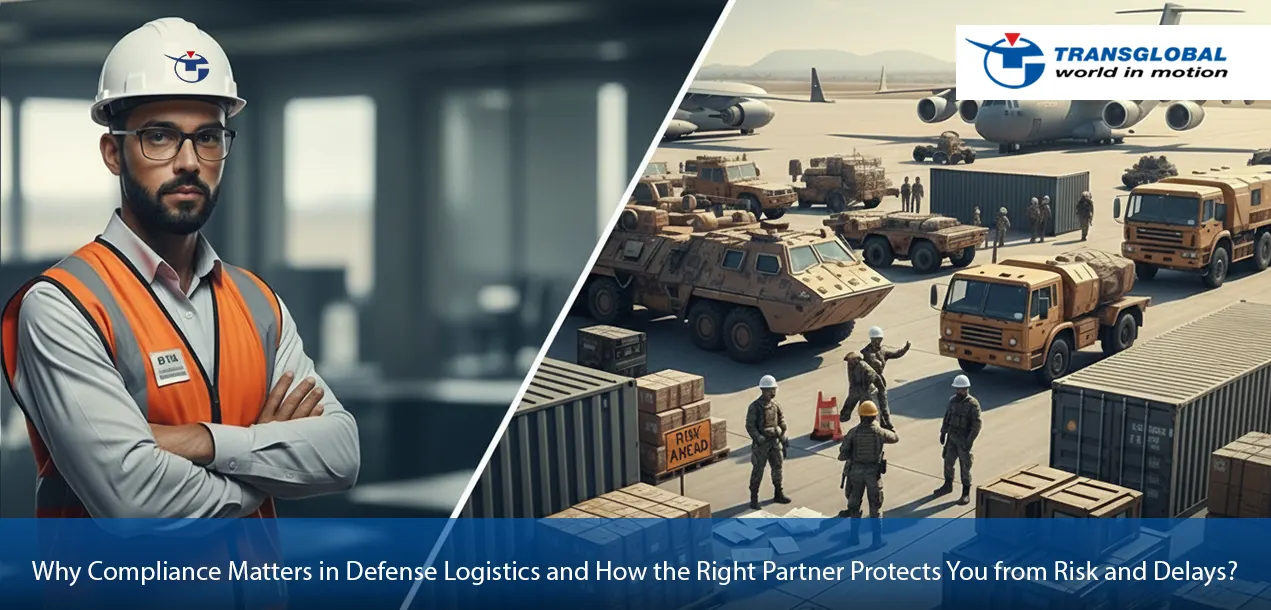
When moving defense-related cargo across borders, it’s not just about getting from point A to point B, it’s about doing it securely, lawfully, and with full accountability. Whether you’re transporting military equipment, armaments, or sensitive components, one word governs every step of the journey: compliance.
In today’s global logistics environment, compliance isn’t just a legal requirement, it’s a reputational and operational differentiator. For defense freight forwarding, it acts as both the starting point and the final check. If your logistics partner doesn’t lead with a compliance-first approach, you’re likely exposed to unnecessary risk.
Let’s explore why compliance sits at the heart of defense logistics and how the right freight forwarder can make your operations a success.
How Proper Documentation Keeps Your Defense Cargo Moving?
Defense logistics is one of the most document-heavy sectors in the industry, for good reason. Each shipment must be verifiable, secure, and auditable. From cargo classification to end-user certificates, documentation is not just paperwork, it’s proof of legality and control.
Key documentation touchpoints include:
- Commercial and pro forma invoices
- End-use and end-user certificates (EUCs)
- Import/export licenses and permits
- Technical specifications for military or dual-use goods
- Dangerous goods declarations (Class 1–9, especially Class 1 Explosives)
Traceability goes beyond documents. It ensures every item shipped, especially when classified or restricted, is monitored throughout its journey. Incomplete or inaccurate documentation can result in customs holds, financial penalties, and even criminal investigation in some jurisdictions.
This is why working with a freight partner that proactively manages documentation workflows, audit trails, and version control is not optional, it’s mandatory.
Safety First: Secure Handling for High-Risk Shipments
Defense cargo doesn’t just require special paperwork, it requires special handling.
Unlike general freight, defense shipments often involve:
- Restricted or hazardous items, including weapon systems, ammunition, tactical equipment, and sensitive technology.
- High-risk geopolitical routes require additional clearances or military escort.
- Controlled environments for temperature-sensitive, fragile, or mission-critical materials.
Security measures must be deeply embedded in operational workflows. This includes:
- Sealed transport units and tamper-evident packaging
- Chain-of-custody monitoring from pickup to delivery
- 24/7 GPS tracking and geofencing
- Armed escorts or convoy arrangements (where required)
- Clearance coordination with border and defense authorities
Any failure in this area could lead to interception, theft, or non-compliance with international defense transport protocols.
At Transglobal Cargo, we maintain a certified network of handlers and operators trained in Class 1–9 Dangerous Goods, military freight operations, and strategic cargo security globally.
The Truth About Export Rules and Border Restrictions
One of the biggest compliance challenges in defense logistics is navigating export controls. Each country has its own regulations around what can be shipped, where, and to whom.
For instance:
The U.S. International Traffic in Arms Regulations (ITAR) strictly control the export of defense and military technologies.
The European Union’s Common Military List sets out rules for the movement of armaments within and outside EU borders.
South Africa’s NCACC (National Conventional Arms Control Committee) regulates defense exports in accordance with international commitments.
Export control errors, such as misclassifying a military component as civilian, can result in denied shipments, blacklisting, or reputational damage.
An experienced freight partner will:
- Validate HS codes and military classification codes
- Conduct consignee and end-use screening
- Handle licensing applications and renewals
- Coordinate with regulatory bodies at origin, transit, and destination
- Align Incoterms with export control obligations
Export compliance is not just the responsibility of the seller or buyer. In the defense sector, logistics intermediaries must shoulder an equal burden of diligence and transparency.
Planning for Multi-Stage Defense Projects
Defense programs are rarely one-off shipments. They often involve:
- Multiphase manufacturing or deployment schedules
- Coordinated deliveries to multiple bases or contractors
- Cross-border movement of partially assembled systems
- Reverse logistics (returns, refurbishments, or decommissioning)
Each of these phases carries its own compliance requirements, from customs declarations and license amendments to repatriation clauses and warranty conditions.
A freight forwarder specializing in defense logistics will:
- Maintain continuity of compliance across all project phases
- Track and reconcile shipments linked to phased contracts
- Ensure alignment between technical documents and physical cargo
- Anticipate cross-border bottlenecks in real time
This kind of program-level support transforms your logistics partner into a compliance co-pilot, helping you deliver complex defense projects without risk of violation or delay.
Why Transglobal Cargo is the Right Partner for Defense Logistics?
At Transglobal Cargo, we’ve built our global freight operations on the backbone of regulatory clarity, risk mitigation, and strategic oversight, especially for defense and military logistics.
Here’s how we lead with compliance:
✅ Certified experts in Class 1–9 DG, including explosive cargo handling
✅ Secure logistics protocols aligned with ISO and local defense standards
✅ Export and import control experience across the globe
✅ Deep familiarity with AGOA, ITAR, NCACC, and end-use controls
✅ Real-time traceability and documentation management
✅ A vette, partner network trained for high-risk and sensitive shipments
Whether you’re managing an ongoing military supply contract or planning a one-time shipment of sensitive equipment, we ensure your cargo moves lawfully, securely, and efficiently, anywhere in the world.
Conclusion
Defense logistics isn’t just about moving cargo, it’s about managing responsibility. Every document, every checkpoint, and every route must reflect precision, foresight, and legal adherence.
If your freight partner doesn’t understand the depth of defense compliance, you’re not just risking a delay, you’re risking your license to operate.
At Transglobal Cargo, we don’t treat compliance as a checkbox. We treat it as the core service we deliver.
Work with the Freight Forwarder Who Understands Defense Compliance
Ready to move your next defense shipment with full confidence?
Transglobal Cargo is your compliance-first partner, trusted by governments, manufacturers, and defense contractors worldwide.
Contact Us Today! Your cargo is sensitive. Your logistics partner should be, too.
Frequently Asked Questions
What documents are essential for exporting military or defense-related goods?
Typically, you'll need an export license, end-user certificate, technical specifications, commercial invoice, and any applicable dangerous goods declarations.
Can general freight forwarders handle defense cargo?
Not always. Defense logistics requires certified personnel, controlled handling environments, and familiarity with global export control laws.
How does Transglobal Cargo ensure compliance across borders?
We work closely with regulatory bodies, maintain a trained partner network, and manage full documentation and risk assessments from origin to delivery.
Comments