

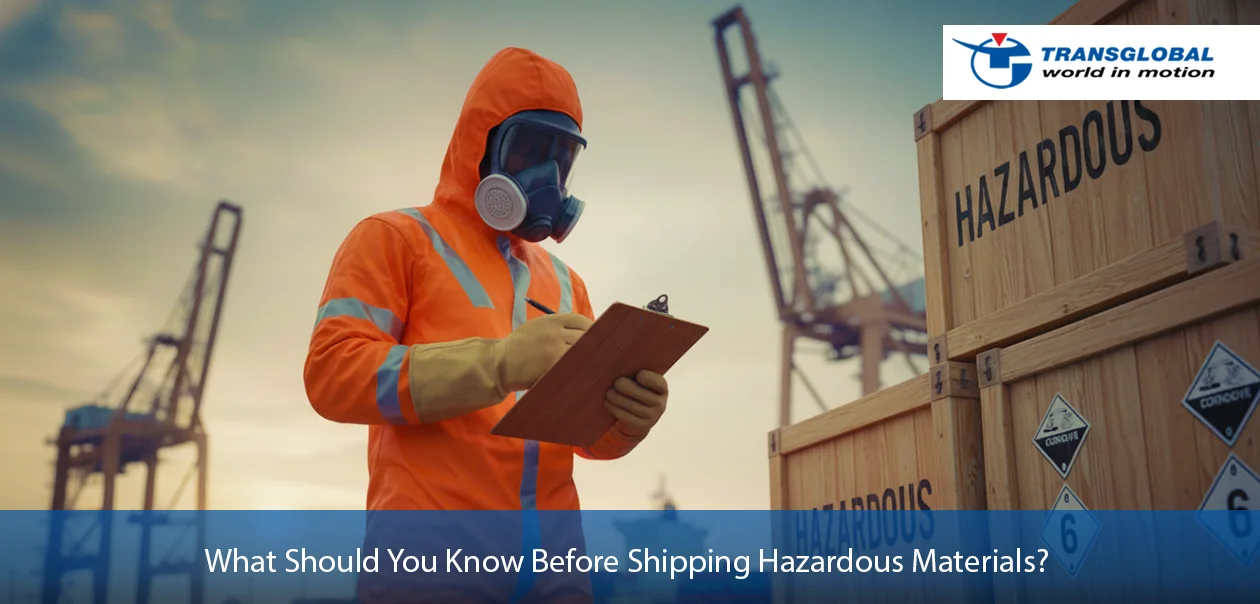
Shipping hazardous materials isn’t just a matter of packing and paperwork, it’s a high-stakes operation where safety, compliance, and timing must align perfectly.
Across Africa’s growing trade lanes, from industrial zones to cross-border corridors, the movement of dangerous goods (DG) is becoming increasingly common. Whether you’re shipping chemicals to mining sites in Zambia, transporting explosives for infrastructure in Kenya, or moving flammable liquids for oil operations in Nigeria, one thing is clear: handling hazardous cargo demands more than just logistics, it requires specialized expertise.
Let’s break down what every shipper and freight partner should understand before taking on the responsibility of DG transport across African markets.
What Exactly Qualifies as Hazardous Materials?
Hazardous materials (HazMat) include substances that can pose risks to health, property, or the environment. This isn’t just about explosives and toxic chemicals. Dangerous goods are classified into nine categories, such as:
Class 1: Explosives (e.g., detonators, TNT)
Class 2: Gases (e.g., propane, refrigerants)
Class 3: Flammable Liquids (e.g., fuel, solvents)
Class 4: Flammable Solids (e.g., matches, magnesium)
Class 5: Oxidizing Substances & Organic Peroxides
Class 6: Toxic and Infectious Substances
Class 7: Radioactive Materials
Class 8: Corrosives (e.g., battery acid)
Class 9: Miscellaneous Dangerous Goods (e.g., lithium batteries)
In many African countries, these materials are essential for development, powering energy projects, supporting manufacturing, or facilitating mining operations. But they also come with strict regulations and operational demands.
What Challenges do African Shippers Face When Transporting HazMat?
While the need for DG transport is rising, several challenges remain:
Lack of Infrastructure: Not all ports and inland depots across Africa are equipped with the storage or handling capacity required for hazardous cargo.
Compliance Gaps: National and international regulations (IMDG, IATA, ADR) must be followed, yet knowledge and enforcement can vary widely.
Limited Carrier Options: Few airlines or shipping lines are authorized or willing to carry certain classes of dangerous goods.
Inconsistent Customs Clearance: Ports in countries like Mozambique or DR Congo may have longer clearance times or inconsistent documentation standards, especially for sensitive items.
Packaging & Labeling Requirements: These must meet global DG shipping codes, and any mismatch can delay or halt a shipment entirely.
That’s why working with experienced hazardous cargo specialists, who understand both global protocols and African ground realities, is non-negotiable.
How to Prepare for Shipping Dangerous Goods?
If you’re planning to move hazardous materials, here’s what needs to be checked off before the cargo even leaves your warehouse:
Correct Classification: Use the UN number and proper shipping name per international standards.
Appropriate Packaging: Must meet specific testing and labeling standards, including inner packaging and absorbent materials.
Danger Labels & Placards: Clearly visible hazard class labels and transport placards are a must.
Material Safety Data Sheet (MSDS): Crucial for customs and carriers.
Shipper’s Declaration: A legal document certifying that the cargo is correctly prepared and safe for transport.
Trained Personnel: Everyone involved in handling, packing, or signing off on HazMat shipments must be certified.
Why Specialized Logistics Services Matter?
Hazardous materials aren’t just another commodity. They require route planning, escort arrangements, container compatibility, handling procedures, and emergency response planning.
That’s where specialized logistics services come into play. For example:
Military and Defense Cargo: Requires secure clearance, armed escorts, and diplomatic coordination.
Explosives & Ammunition: Needs secure segregation, blast-proof packaging, and licensed carriers.
Collectors & Museum Consignments: Some materials may fall under radioactive or fragile hazardous categories.
Luxury Vehicle Imports/Exports: High-performance vehicles often include lithium batteries, flammable fluids, and require specialized loading.
Oil & Gas Project Cargo: Involves corrosives, oxidizers, and pressurized containers.
A trusted freight forwarder understands the risks and has the right team, training, and network to move the cargo safely.
How Africa is Adapting to HazMat Logistics?
Despite the hurdles, Africa is making strides in improving the movement of hazardous materials:
Regulatory Alignment: More countries are aligning their customs and transport regulations with global DG frameworks like IMDG, ICAO, and UNECE.
Infrastructure Investments: Ports like Durban, Mombasa, and Tema are expanding their DG handling facilities with containment areas, fire suppression systems, and reefer capacity.
Training & Certification: International freight forwarders are offering on-ground DG training across key trade corridors, particularly for the mining and oil industries.
Multimodal Networks: Integrated transport planning is helping balance risks by routing sensitive cargo through lower-congestion areas or using charter air freight for high-risk materials.
Why It’s Worth Getting DG Shipping Right?
Shipping dangerous goods is not just a regulatory box to check. It impacts:
Operational Continuity: Late or rejected shipments can halt entire projects or delay production lines.
Reputation & Trust: A DG incident can damage your brand, trigger investigations, or affect insurance coverage.
Trade Compliance: Non-compliance can lead to heavy penalties, cargo seizures, or license cancellations.
If you’re shipping from or into Africa, particularly for high-risk cargo, the right logistics provider can be your single biggest asset. They ensure not only that the cargo reaches its destination safely but also that your business stays compliant and competitive.
Conclusion
Navigating hazardous materials shipping isn’t a task you can afford to get wrong, especially when lives, investments, and international relationships are on the line. Whether you’re exporting explosives for infrastructure projects or importing lithium batteries for industrial machinery, every step matters.
Ready to ship with confidence?
Let us help you move your dangerous cargo safely across African trade routes. Contact our team today for end-to-end sea freight services tailored to hazardous goods.
Frequently Asked Questions
Is it legal to ship explosives into or out of Africa?
Yes, but only with proper licenses, documentation, and a qualified logistics partner experienced in Class 1 cargo handling.
What certifications are needed for shipping dangerous goods?
You’ll need DG-certified handlers, trained packaging staff, and a logistics provider familiar with IMDG, IATA, or ADR regulations, depending on the transport mode.
Can hazardous materials be transported via sea and air from Africa?
Yes. Many ports and airports are equipped to handle DG cargo, but routing, approval, and packaging requirements must be precisely followed.
Comments