

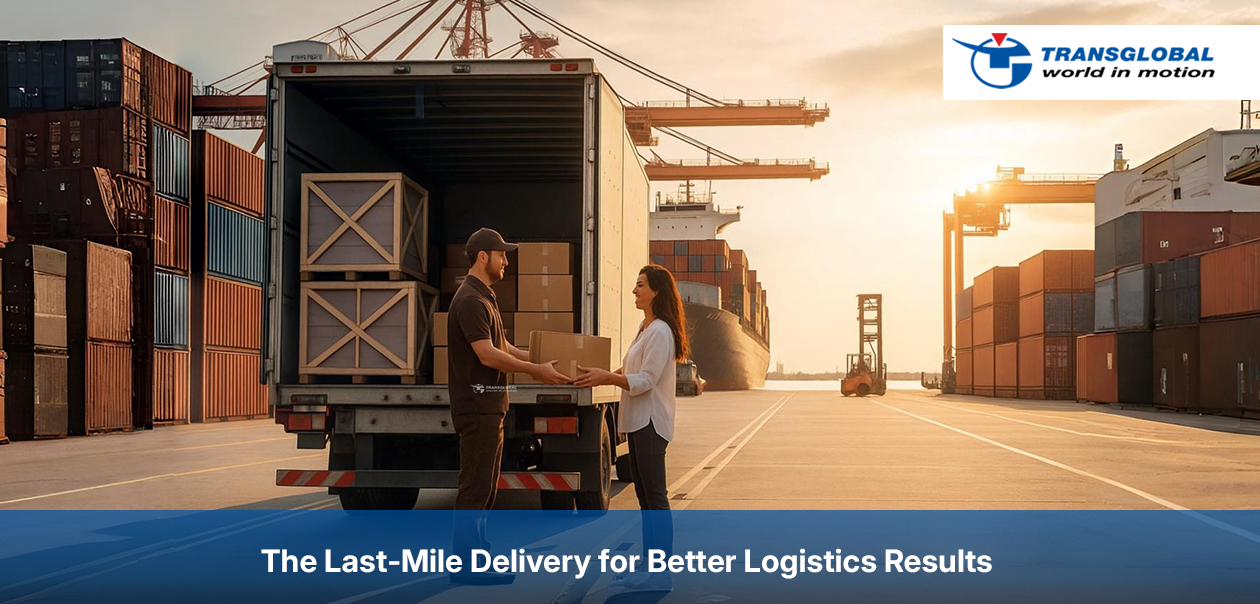
It’s one thing to move cargo across borders, but getting it from a local warehouse to the final drop-off point is where the real challenge begins. Whether it’s a box of medical supplies headed to a rural clinic or critical machinery reaching a mining site, the final stretch of delivery can make or break the entire logistics experience. This crucial last leg, known as last-mile delivery, demands precision, flexibility, and local insight, and too often, it’s where supply chains hit a wall.
Let’s explore what makes last-mile logistics so complex, why it matters more than most think, and how you can actually make it better, with real solutions tailored to regions facing fragmented infrastructure and rapid urban growth.
The Root of the Challenge
At first glance, last-mile delivery seems straightforward, transporting goods from a distribution center or warehouse to the customer. But in practice, it’s the most unpredictable, costly, and resource-heavy part of the logistics journey.
Delays at this stage don’t just mean operational headaches, they often translate into lost customers, damaged trust, and wasted money. And for logistics providers operating in fast-growing or infrastructure-limited regions, these delays are not occasional, they’re daily.
From unmapped neighborhoods to congested urban sprawl, last-mile delivery comes with hurdles that include:
- Unclear or unstructured address systems
- Road conditions that vary drastically between regions
- High congestion near urban centers
- Low delivery density in rural areas
- Unexpected customer availability issues
- Lack of real-time tracking and visibility
These are not just inefficiencies. They are real problems that directly affect delivery performance, cost per shipment, and customer satisfaction.
Why This Stage Matters More Than Ever?
The final stretch is not just another logistics task, it’s your brand’s final handshake with the customer. Even if your cargo crossed thousands of kilometers without issue, a late, missed, or incomplete last-mile delivery leaves the wrong impression.
In fact, many supply chain experts agree: the last-mile is where loyalty is won or lost. It’s where customers decide whether they’ll trust you again, recommend your services, or switch to another provider.
Moreover, as delivery expectations grow, next-day, time-windowed, or even same-day in some sectors, the need to refine this part of logistics has never been greater.
Smart Ways to Improve Last-Mile Delivery Performance
To reduce costs, boost delivery accuracy, and improve customer satisfaction, logistics firms need to rethink how they approach last-mile delivery, especially in regions with unpredictable conditions.
Here are several practical improvements worth implementing:
Use technology for route optimization: Modern software can analyze traffic, distance, weather, and other live data to suggest the most efficient routes.
Invest in real-time tracking tools: Visibility isn’t just for internal teams. Providing customers with live status updates reduces anxiety and increases satisfaction.
Create flexible delivery windows: Allowing customers to choose time slots (and reschedule easily) reduces failed delivery attempts.
Establish pickup alternatives: In areas where home delivery is inconsistent, offering secure pickup points at retail outlets or lockers can be a smart move.
Train delivery teams for field decisions: Equip drivers not just with cargo, but with tools and training to resolve issues on the spot, especially useful in remote areas.
Utilize local partnerships: Working with regional couriers or delivery agents who understand the terrain and customer habits can significantly reduce delivery times.
These are not just digital add-ons; they are performance enablers. When executed well, they improve delivery consistency, reduce complaints, and cut overall costs.
A Strategic Shift in How You View the Last Mile
Instead of treating last-mile delivery as a headache to be outsourced or patched over, forwarders and shippers should treat it as a competitive differentiator.
The most successful logistics providers have realized this: it’s not about simply moving cargo, it’s about delivering confidence. A delayed delivery erodes that confidence. A smooth, trackable, and timely handoff builds it.
This strategic shift involves viewing last-mile logistics as an extension of customer service, not just transport. It requires coordination between warehouse teams, customs clearance agents, IT platforms, and local delivery teams.
How Transglobal Cargo Helps You Get the Last Mile Right?
At Transglobal Cargo, we understand that logistics isn’t complete until your cargo arrives safely and on time at its final destination. That’s why our last-mile support isn’t an afterthought. It’s built into everything we do.
Here’s how we help logistics professionals like you simplify the final step:
Integrated warehousing and distribution that ensures cargo is always close to the final drop point.
Bonded and free-store facilities in key regions for quicker release and dispatch.
On-ground delivery teams and regional partners are trained to handle sensitive, oversized, or project cargo.
Advanced tracking systems that let you and your clients know exactly where the shipment is at every step.
Tailored delivery models, from express shipments to deferred options, are always aligned with your customer promise.
Whether it’s B2B freight, hazardous cargo, or time-sensitive cargo, we ensure your delivery promise is kept, right down to the last mile.
Conclusion
In logistics, the first impression may be made at the port, but the last impression is made at the customer’s doorstep. If you get that right, everything else flows from there.
At Transglobal Cargo, we integrate bonded warehousing, real-time tracking, and regionally adapted last-mile delivery into a seamless experience. Whether you’re moving sensitive cargo, high-value goods, or routine freight, our on-ground teams and tech-backed operations ensure nothing gets stuck at the last hurdle.
Contact us today for smooth, on-time delivery of your logistical needs.
Frequently Asked Questions
Why is last-mile delivery so expensive?
Because it involves individual deliveries over short distances, often with traffic, navigation issues, or failed delivery attempts, all of which drive up cost per shipment.
Can digital tools really fix last-mile inefficiencies?
Absolutely. Route planning, tracking visibility, and automated re-delivery options dramatically reduce delays and failed deliveries, especially when tailored for local conditions.
What’s the best way to start improving last-mile delivery?
Start by identifying your most common delivery failures. From there, implement real-time tracking, re-delivery flexibility, and training for your on-ground teams.

Comments