

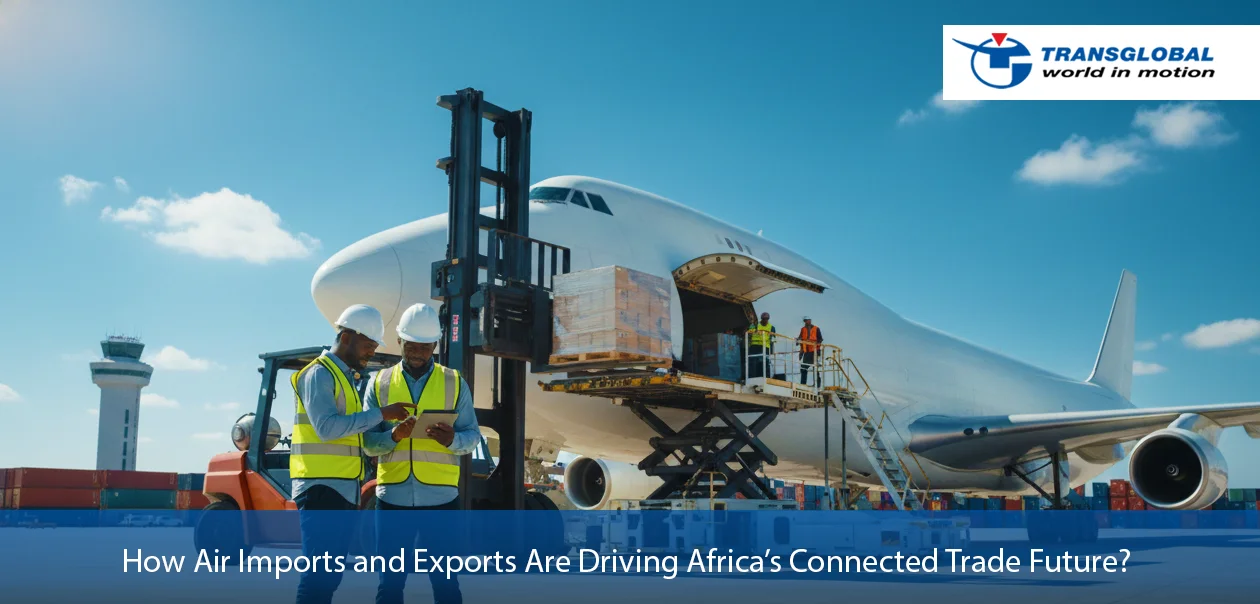
It’s not just about speed anymore. Air freight service has evolved into a critical piece of Africa’s economic engine, helping businesses leap over obstacles, landlocked challenges, and outdated border processes. From high-value goods to humanitarian supplies, air cargo is giving Africa’s trade ambitions real altitude. As the continent works toward deeper regional integration and global competitiveness, air freight is no longer just an alternative, it’s a lifeline for time-sensitive, high-priority, and specialized cargo.
And when the shipment involves explosives, military supplies, luxury vehicles, or project cargo that can’t afford to sit in customs queues, air becomes the only smart choice.
What’s Fueling Africa’s Rise in Air Trade?
Africa’s geography is vast, diverse, and logistically demanding. Long distances between ports and production hubs, inconsistent road conditions, and security challenges make road or sea logistics unpredictable in many regions. That’s why air imports and exports are gaining momentum, they offer:
- Speed: Cut delivery timelines from weeks to days.
- Security: Controlled handling for sensitive cargo like dangerous goods or rare collectibles.
- Connectivity: Direct access to regional and international markets without relying on seaports.
Industries that rely on precision, from defense and medical to high-end retail and engineering, are leading the shift.
What are African Nations Importing and Exporting by Air?
Air imports and exports are not one-size-fits-all. Each country’s trade profile looks different, but the flow of goods generally looks like this:
Air Imports Include:
- Medical equipment, vaccines, and pharmaceuticals
- Electronics and precision machinery
- Automotive parts and aircraft components
- Luxury goods and high-value tech
- Explosives and military-grade equipment for government use
Air Exports Include:
- Perishable goods (flowers, seafood, fruits)
- Precious stones and metals
- High-end textiles and crafts
- Project cargo for offshore mining or infrastructure
- Collector items, museum consignments, and artwork
- Vehicles for re-export or international auctions
The Real Challenges in African Air Logistics
Despite growth, air trade still faces considerable friction points:
High Freight Costs: African routes often have low return cargo, raising per-kilo prices.
Inconsistent Infrastructure: Many airports lack modern cargo terminals or cold-chain storage.
Complex Regulations: Differing customs rules delay time-sensitive shipments.
Limited Handling Capacity for Special Cargo: Dangerous goods, explosives, or oversized project items are often delayed due to a lack of expertise or facilities.
The impact? Missed export windows, inflated logistics budgets, and frustrated trade partners.
Specialized Cargo Needs Specialized Support
Standard air freight doesn’t work when you’re shipping hazardous materials, historic artifacts, or armored vehicles. These sensitive consignments demand precise coordination, from documentation and classification to real-time monitoring and secure ground handling.
Here’s where specialized services matter:
Military & Defense Logistics: Controlled delivery of ammunition, armored parts, or emergency equipment through secure corridors.
Explosives Handling: Compliant packaging and routing for Class 1 explosives, with IATA and country-specific approvals.
Luxury Vehicle Exports: Climate-controlled loading and offloading for collector cars, supercars, and armored fleets.
Museum & Collector Consignments: Soft handling, insurance support, and discreet delivery for one-of-a-kind cargo.
Project Cargo: Heavy-lift, time-critical components moved via charter flights or break-bulk air options.
This is where experience matters more than speed alone.
What’s Changing the Game: Innovation and Policy?
Africa’s air cargo transformation is being powered by two major forces:
Technology Upgrades:
Digital Customs: We use platforms like ASYCUDA simplifying clearances across multiple African countries.
Cargo Visibility: With our real-time updates, GPS-tagged pallets, and cargo apps improve accountability and reduce in-transit losses.
Bonded Warehousing Near Airports: We reduce handling delays and improve transfer fast from tarmac to trucks.
Policy & Partnership Moves:
AfCFTA (African Continental Free Trade Area): Easing cargo movement across borders with harmonized trade documentation.
Public-Private Infrastructure Projects: Expanding cargo terminals at key hubs like Johannesburg, Nairobi, Addis Ababa, and Accra.
Cross-border Trade Agreements with China & Gulf States: Increasing direct air freight routes and reducing duties on key imports.
Choosing the Right Freight Model
Not all air cargo shipments require charter flights or premium pricing. African traders are increasingly using three flexible freight models based on urgency and cargo type:
Express Freight: Best for emergencies, defense shipments, or fragile cargo.
Consolidated Freight: Economical option where multiple shippers share air space, suited for smaller loads.
Deferred Freight: Scheduled for future delivery windows, ideal for routine supply chain needs.
Understanding when to choose what, and ensuring your logistics provider supports all three, is critical to staying efficient and competitive.
Why it All Come Down to the Right Partner?
Air imports and exports are complex. From loading and permits to real-time tracking and customs clearance, there are dozens of touchpoints that must be managed precisely, especially when the cargo involves restricted items like hazardous cargo or time-sensitive items like fresh produce.
That’s why partnering with an experienced air freight specialist makes all the difference. Look for teams who:
- Understand African and international customs intricacies
- Offer bonded warehouse access
- Are trained in IATA DGR compliance
- Provide aircraft chartering for special cargo
We don’t just move your cargo, we protect your business continuity.
Conclusion
Africa’s air trade future is no longer a “what if”, it’s already happening. As more countries align trade frameworks and invest in aviation infrastructure, air freight will play an even more critical role in supply chain success.
From specialized military logistics to automotive exports and museum consignments, air cargo offers unmatched speed, precision, and security. And with the right support, African businesses can use this mode to expand globally without waiting.
Need help with your next air import or export?
Transglobal is your partner for compliant, time-sensitive, and specialized air freight across Africa and beyond. Let’s plan your next take-off, securely and on time.
Frequently Asked Questions
Can air freight handle explosives or dangerous goods?
Yes, but only with proper certifications, handling protocols, and airline approvals. Class 1–9 dangerous goods require IATA-trained teams and often need special documentation and routing.
What are the top airports for cargo movement in Africa?
OR Tambo (Johannesburg), Addis Ababa Bole International, Nairobi Jomo Kenyatta, and Lagos Murtala Muhammed are leading hubs with growing infrastructure.
Is air freight viable for oversized or heavy project cargo?
Absolutely. With charter solutions and aircraft designed for bulk lifting, air freight can accommodate large-scale industrial or energy sector cargo efficiently.
Comments