

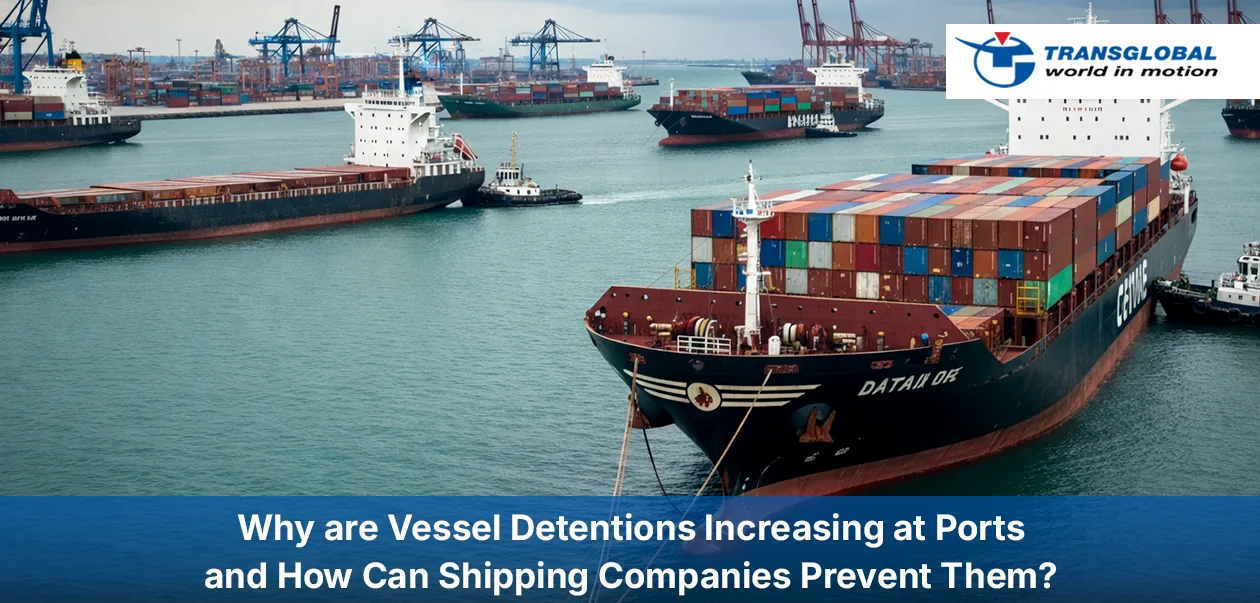
A ship arriving at port should signal progress in a supply chain. Cargo has crossed oceans, schedules have been coordinated, and customers are waiting. But in today’s maritime environment, arrival does not always mean clearance.
Across major global port regions, vessels are increasingly being detained by port authorities. These detentions are not isolated events. Reports from various Port State Control (PSC) regimes show a growing number of inspections resulting in vessels being held due to compliance deficiencies.
For shipowners, operators, freight forwarders, and cargo stakeholders, a detained vessel is more than a regulatory issue. It is a disruption that ripples across the entire supply chain.
The important reality is this: many of these detentions are operational in nature and entirely preventable.
The Role of Port State Control in Modern Shipping
Port State Control inspections exist to ensure that vessels entering a port comply with international maritime regulations. These inspections are carried out under global agreements such as the SOLAS Convention, MARPOL regulations, and the International Safety Management (ISM) Code.
PSC officers check whether vessels meet safety, environmental, and operational standards before allowing them to continue operations.
Regions around the world operate their own PSC regimes, including:
- Paris MoU (Europe and North Atlantic)
- Tokyo MoU (Asia-Pacific)
- Indian Ocean MoU
- Caribbean MoU
- Mediterranean MoU
These inspections are becoming increasingly rigorous as governments strengthen maritime safety and environmental enforcement.
In the past, inspections were often procedural. Today, they are strategic.
Why are Vessel Detentions Increasing?
The rise in vessel detentions is not driven by a single factor. It reflects a combination of regulatory tightening, environmental compliance expectations, and growing scrutiny of cargo operations.
Several key trends are influencing inspection outcomes.
First, environmental enforcement has intensified. Regulations surrounding ballast water treatment systems, emissions control areas, and pollution prevention are now closely monitored.
Second, global shipping has become more complex. Cargo documentation, vessel certifications, and safety records must align precisely with regulatory expectations.
Third, geopolitical sensitivities have increased the level of scrutiny placed on certain cargoes, trade routes, and vessel ownership structures.
Together, these factors have raised the compliance bar for vessels arriving at ports.
The Most Common Operational Causes of Vessel Detentions
While some vessel detentions relate to sanctions or geopolitical considerations, many occur due to operational deficiencies that could have been addressed before the vessel sailed.
In practical terms, the most frequent issues include:
- Incomplete or inconsistent statutory documentation
- Expired or poorly maintained safety equipment
- Ballast water treatment system deficiencies
- Discrepancies between declared cargo documentation and the actual cargo profile
- Weak pre-arrival compliance verification
These are not extraordinary failures. They are gaps in operational discipline.
Yet even minor compliance issues can trigger detention if port authorities determine that safety or environmental standards are compromised.
The Ripple Effects of a Detained Vessel
A vessel detention rarely affects only the shipowner.
The consequences quickly spread across the supply chain, impacting multiple stakeholders.
Operational consequences may include:
- Daily charter costs are escalating rapidly
- Cargo delivery schedules are collapsing
- Container availability disruptions
- Port congestion delays
- Contractual penalties for late delivery
Financial exposure may also increase through:
- Additional insurance scrutiny
- Cargo claim disputes
- Increased inspection costs
- Operational recovery expenses
Perhaps the most damaging impact is reputational. In tightly regulated sectors such as energy, mining, and defence logistics, reliability and compliance are critical.
Repeated operational disruptions can undermine long-standing business relationships.
Why Compliance has Become a Strategic Priority?
Historically, compliance in shipping was treated as a procedural obligation, something managed through documentation and certification.
Today, compliance is strategic.
Ports are conducting targeted inspection campaigns focusing on environmental standards, vessel safety systems, and cargo documentation accuracy.
Environmental rules such as ballast water management are now heavily enforced. Similarly, safety systems under the ISM Code are examined in detail.
In this climate, vessel operators must adopt a more proactive compliance mindset.
Preventing Vessel Detentions Before the Voyage Begins
The most effective way to prevent vessel detention is to address compliance risks long before the vessel approaches its destination port.
Prevention begins with disciplined operational checks.
Effective risk mitigation measures may include:
- Independent documentation audits before vessel departure
- Verification of equipment certifications and maintenance records
- Alignment between cargo declarations and port regulatory requirements
- Pre-arrival compliance readiness checks
- Coordination with experienced local port representatives
These steps are not extraordinary. They represent strong operational fundamentals.
Yet they are often overlooked in the pressure of commercial shipping schedules.
The Importance of Local Port Expertise
Another factor that significantly influences detention risk is familiarity with local regulatory environments.
Each port authority applies global maritime regulations slightly differently. Inspection focus areas, documentation expectations, and environmental compliance priorities can vary between regions.
Having knowledgeable local support can help vessel operators anticipate these differences and prepare accordingly.
Local expertise allows operators to verify documentation, confirm compliance expectations, and address potential deficiencies before authorities conduct inspections.
This proactive approach can significantly reduce operational risk.
Supporting Compliance Through Professional Coordination
At Transglobal Cargo, we occasionally encounter situations along the coastline where vessels experience operational disruption due to compliance concerns.
In such cases, structured compliance coordination becomes essential.
Our role is strictly professional and transparent. We assist through:
- Structured compliance checklists
- Coordinated engagement with port authorities
- Documentation alignment
- Lawful resolution of operational issues
It is important to emphasize that our work always remains within legal and regulatory frameworks.
We do not engage in geopolitical involvement, sanction circumvention, or unlawful activity. Our focus is on ensuring compliance, transparency, and adherence to maritime regulations.
The Future of Maritime Inspections
The global shipping environment is becoming more regulated, not less.
Environmental regulations continue to evolve. Safety expectations remain high. Port authorities are under pressure to enforce international standards consistently.
This means vessel inspections will likely increase in frequency and depth.
For shipowners, operators, and logistics professionals, the key shift is moving from reactive compliance to proactive preparation.
The question is no longer whether inspections will intensify.
They already have.
The real question is whether operational practices are evolving to match the new regulatory environment.
Conclusion
Vessel detentions are rarely caused by a single dramatic failure. More often, they result from small operational gaps that accumulate until an inspection reveals them.
In today’s maritime landscape, compliance is not merely procedural. It is a core operational strategy that protects cargo schedules, financial performance, and industry reputation.
Working with the best freight forwarder ensures that compliance, documentation alignment, and operational coordination are managed professionally across the supply chain.
If your organization needs expert support navigating complex shipping environments and maintaining regulatory compliance, contact us today. Our team is ready to help ensure your cargo moves smoothly, safely, and without disruption.
Frequently Asked Questions
What is Port State Control (PSC)?
Port State Control is an inspection system used by port authorities to ensure that vessels entering their ports comply with international maritime safety, environmental, and operational regulations.
What is the most common reason for vessel detention?
The most frequent causes include documentation inconsistencies, safety equipment deficiencies, ballast water compliance issues, and mismatches between cargo declarations and the actual cargo onboard.
How can shipping companies reduce the risk of vessel detention?
The best approach involves proactive compliance checks before departure, thorough documentation audits, equipment certification verification, and coordination with experienced local port experts.
Comments