

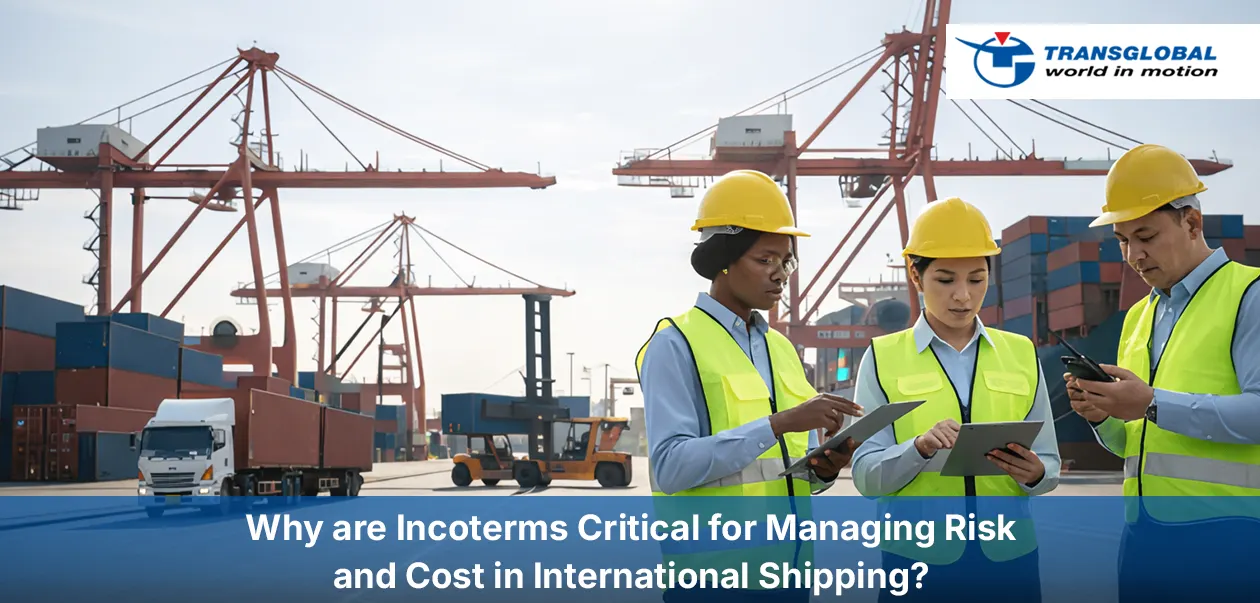
A shipment may travel thousands of miles across oceans, cross multiple borders, and pass through several regulatory checkpoints before reaching its destination. Yet many of the biggest challenges in international shipping do not occur at sea or at ports, they arise from misunderstandings about responsibility.
Who arranges transport?
Who pays customs duties?
Who carries the risk if cargo is damaged during transit?
Without clear answers to these questions, international trade quickly becomes complicated.
This is where Incoterms play a crucial role. These globally recognized trade terms provide clarity on responsibilities between buyers and sellers, ensuring that shipments move across borders without confusion about cost, liability, or control.
For businesses operating in international markets, understanding and applying the right Incoterms is not just helpful, it is essential for efficient and compliant logistics.
What are Incoterms and Why do they Matter?
Incoterms, short for International Commercial Terms, are standardized trade rules published by the International Chamber of Commerce (ICC). They provide a common framework that defines the obligations of buyers and sellers in global trade transactions.
These rules clarify several key aspects of international shipping:
- Who arranges transportation?
- Who pays freight charges?
- Who handles export and import clearance?
- Who is responsible for insurance?
- When does risk transfer from the seller to the buyer?
Because Incoterms are recognized worldwide, they eliminate ambiguity in cross-border contracts. Whether goods move from Asia to Europe, Africa to the Americas, or any other trade corridor, the meaning of these terms remains consistent.
This shared understanding reduces disputes and allows international transactions to proceed with confidence.
How Incoterms Shape Freight Forwarding Agreements?
In freight forwarding and logistics operations, Incoterms act as the foundation for transport planning and contractual alignment.
They influence how shipments are handled from origin to destination, ensuring that responsibilities are clearly distributed across the supply chain.
Key roles Incoterms play include:
Clarifying Operational Responsibilities
Incoterms specify which party is responsible for each stage of the logistics process. This may include:
- Export documentation preparation
- Customs clearance procedures
- International freight arrangements
- Delivery coordination
By defining these responsibilities in advance, both parties can prepare accordingly and avoid operational confusion.
Defining the Point of Risk Transfer
One of the most important aspects of Incoterms is determining when responsibility for the cargo transfers from seller to buyer.
For example, under certain terms, the risk transfers once goods are loaded onto a vessel, while under others it transfers only after final delivery.
Understanding this moment is critical for:
- Insurance planning
- Liability management
- Contract enforcement
Standardizing Global Trade Contracts
Because Incoterms are recognized internationally, they provide consistency across different legal systems and trade environments.
This standardization helps companies manage complex cross-border transactions while reducing misunderstandings between trading partners.
Commonly Used Incoterms in Global Trade
There are 11 Incoterms currently in use, each designed to address different trade scenarios. While businesses may use various terms depending on their supply chain strategy, several are widely applied across international shipping.
EXW (Ex Works)
Under EXW, the seller makes goods available at their premises. The buyer assumes responsibility for transportation, export clearance, and all associated costs from that point onward.
This term gives the seller minimal responsibility and maximum control over the buyer.
FOB (Free On Board)
FOB is commonly used in ocean freight. The seller delivers the goods to the port of shipment and loads them onto the vessel.
Risk transfers to the buyer once the goods are onboard.
CIF (Cost, Insurance, and Freight)
Under CIF, the seller arranges and pays for shipping and insurance to the destination port. However, risk still transfers once the cargo is loaded onto the vessel.
DAP (Delivered at Place)
The seller delivers goods to a specified destination ready for unloading. The buyer is responsible for import duties and customs clearance.
DDP (Delivered Duty Paid)
DDP places the maximum responsibility on the seller, who handles transport, customs clearance, duties, and delivery to the final destination.
This option is often preferred by buyers who want minimal involvement in logistics.
How Incoterms Influence Risk, Cost, and Compliance?
Choosing the correct Incoterm has a direct impact on how risk and financial responsibilities are distributed across the supply chain.
Risk Management
Different Incoterms determine when liability transfers from seller to buyer. Understanding this point allows companies to arrange appropriate insurance coverage and avoid financial exposure.
Cost Structure
Incoterms define who pays for freight, customs duties, handling charges, and insurance.
Selecting the wrong term can result in unexpected expenses or unfavorable commercial conditions.
Regulatory Compliance
Certain Incoterms require the seller or buyer to handle customs procedures and regulatory documentation.
If these responsibilities are misunderstood, shipments may be delayed or held at customs.
Clear allocation of compliance responsibilities ensures smoother border crossings.
Choosing the Right Incoterm for Your Business
Selecting the most appropriate Incoterm requires careful consideration of operational capabilities and risk tolerance.
Businesses should evaluate several factors before making a decision.
Key considerations include:
Logistics expertise: Companies with strong internal logistics teams may prefer greater control over transport arrangements.
Risk appetite: Some businesses prefer minimizing responsibility, while others want full oversight of shipments.
Cost visibility: Understanding the total landed cost, including transport and duties, helps determine the most efficient option.
Regulatory familiarity: Managing customs procedures in foreign jurisdictions requires experience and compliance knowledge.
Working with experienced logistics partners can help ensure that Incoterms are selected strategically rather than by default.
The Importance of Accurate Contracts and Tariff Classifications
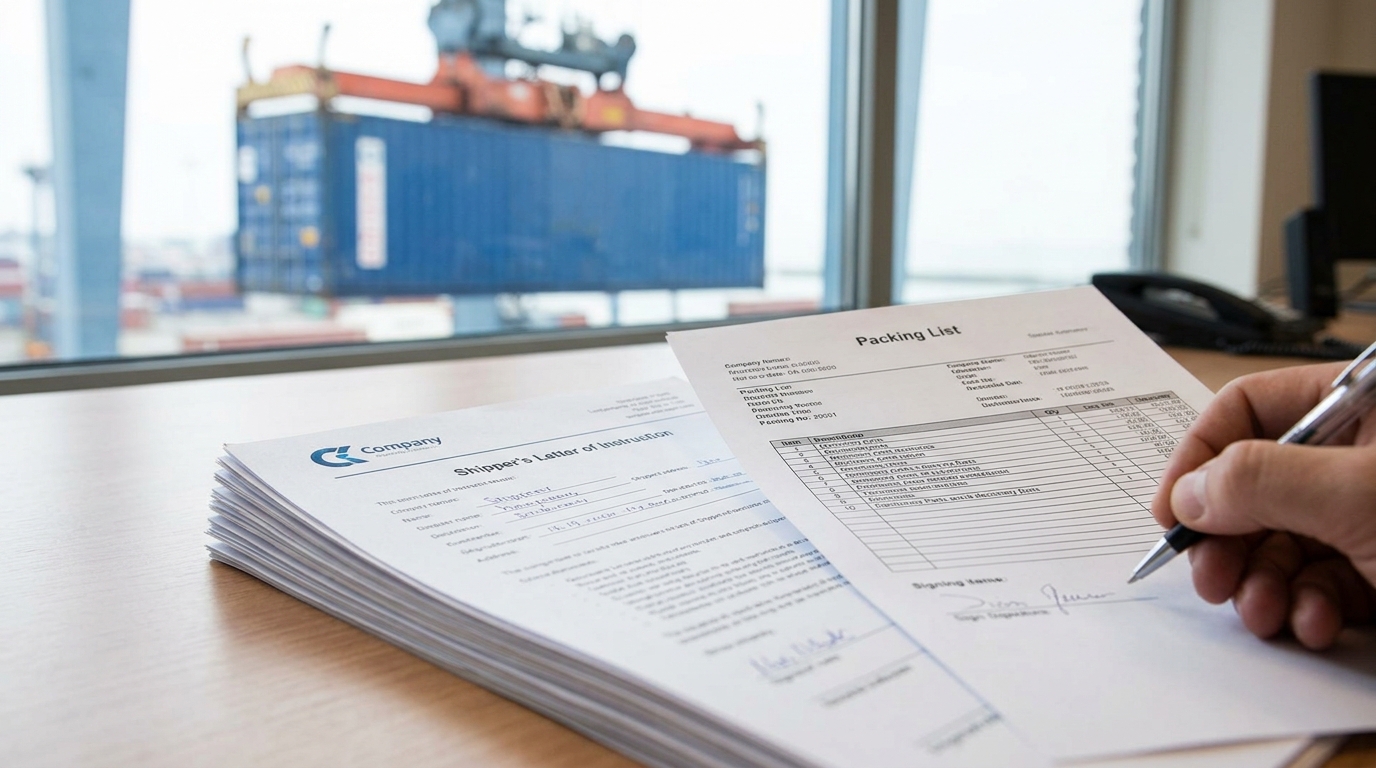
Incoterms do not operate in isolation. They must align with broader trade documentation, including contracts and tariff classifications.
Tariff classification determines the duties and taxes applied to imported goods, while contracts define payment terms, risk allocation, and delivery obligations.
Errors in these areas can lead to:
- Customs delays
- Incorrect duty payments
- Regulatory penalties
- Contractual disputes
Handling contracts, Incoterms, and tariff classifications with precision helps companies reduce these risks while improving efficiency in cross-border trade.
How Transglobal Supports Efficient Global Trade?
Successful international shipping depends on more than transport arrangements. It requires careful alignment between documentation, compliance requirements, and logistics execution.
At Transglobal, we help businesses manage these complexities by ensuring that contracts, Incoterms, and tariff classifications are handled with accuracy.
Our approach includes:
- Reviewing trade agreements from a logistics perspective
- Advising on appropriate Incoterms for specific trade routes
- Ensuring documentation aligns with customs requirements
- Verifying tariff classifications for regulatory accuracy
- Supporting efficient cross-border logistics operations
By combining operational expertise with regulatory knowledge, we help companies avoid costly delays while optimizing their global shipping strategies.
Conclusion
International shipping requires clarity, coordination, and careful planning. Incoterms provide a structured framework that defines responsibilities and reduces misunderstandings between trading partners.
When used correctly, they help businesses manage risk, control costs, and maintain compliance across borders.
Companies that treat Incoterms as a strategic component of their logistics planning gain greater transparency and operational efficiency.
Working with a trusted freight forwarder ensures that your contracts, Incoterms, and tariff classifications are aligned with your supply chain objectives.
If your business is looking to simplify global freight contracts and strengthen cross-border logistics operations, contact us today. Our team is ready to help you move cargo confidently across international markets.
Frequently Asked Questions
How many Incoterms are currently used in international trade?
There are 11 Incoterms defined by the International Chamber of Commerce under the Incoterms 2020 rules.
Do Incoterms determine ownership of goods?
No. Incoterms define responsibilities and risk transfer but do not determine ownership or payment terms.
Can choosing the wrong Incoterm affect customs clearance?
Yes. If responsibilities for documentation or duties are misunderstood, shipments may face delays, penalties, or additional charges during customs processing.
Comments