

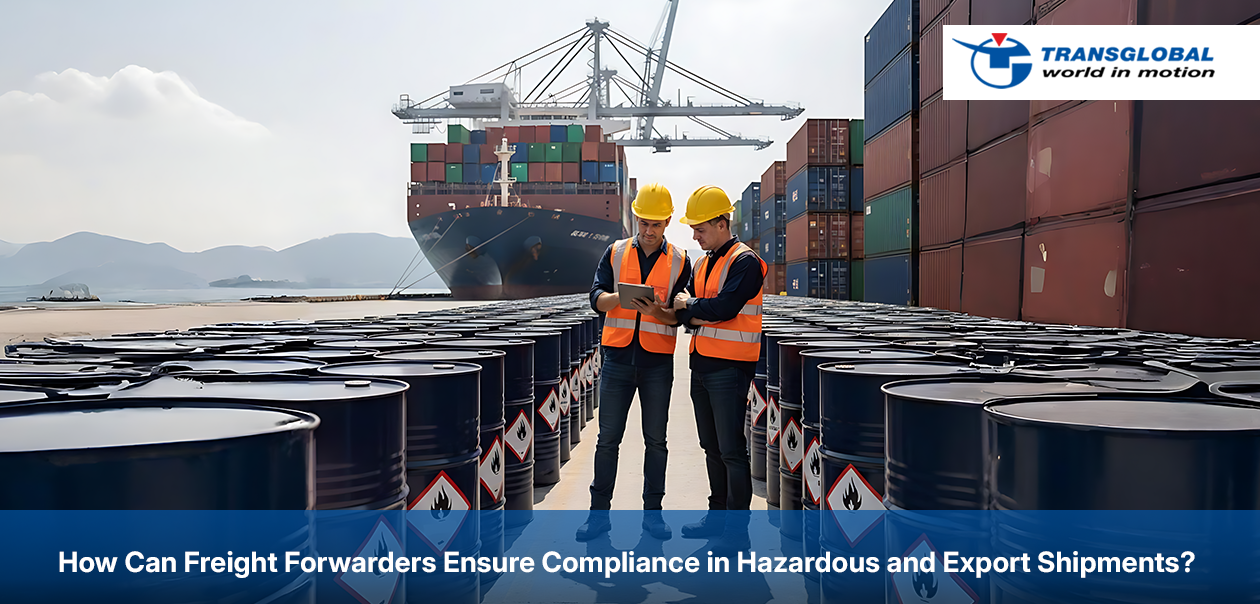
In the world of arms and hazardous logistics, compliance isn’t just a checkbox; it’s a lifeline. Whether it’s industrial explosives or dual-use items, the movement of these goods must follow a strict path, one defined by South Africa’s regulatory bodies, including the National Conventional Arms Control Committee (NCACC) and the Chief Inspector of Explosives (CIE).
In this article, we break down a real-world scenario to explain how safe, legal, and compliant movement is achieved across provinces. It’s a story of regulation in action, one that shows why compliance is core to operational excellence.
A Practical Scenario: From Factory to Field, the Right Way
Let’s consider a simplified but realistic case: a defence contractor needs to move explosive cargo from a manufacturing plant in Gauteng to a military installation in the Western Cape. The cargo is time-sensitive, high-risk, and falls under the NCACC’s jurisdiction.
This is where regulatory logistics meets real-life urgency, and why having the right partners, procedures, and technology in place matters.
Step-by-Step Breakdown of the Movement
Step 1: Regulatory Clearance
The journey begins with the NCACC classification. The manufacturer confirms the goods fall under arms-control legislation and must be moved under strict permit conditions.
Applications are submitted to the NCACC, reviewed, and permits are issued, outlining the specifics of what can be transported, by whom, and under what circumstances.
This step ensures all cargo is lawful, accountable, and pre-approved before movement is even planned.
Step 2: Transporter Selection
Only registered, compliant logistics providers may carry NCACC-regulated cargo. Companies like Transglobal Cargo and Defenlog, both NCACC-certified and CIE-approved, are eligible to perform the move.
This ensures the transporter understands the regulations, has trained personnel, and maintains the right vehicle infrastructure for dangerous goods.
Step 3: Pre-Trip Planning and Preparation
Here’s where operational discipline kicks in. Every element is reviewed:
Route Planning: Includes designated rest zones, emergency pull-off points, risk mapping, and police escort coordination.
Driver Readiness: All drivers are licensed, DG-certified, and undergo refresher safety training specific to explosives handling.
Vehicle Inspection: Trucks are checked for compliance with DG standards, including fire suppression, signage, containment features, and communication tools.
The preparation stage is where risk is proactively managed, not just logistically, but legally.
Step 4: Execution and Monitoring
Once on the road, the shipment is tracked in real-time using tools like Webfleet TMS and other secure GPS platforms.
Transglobal’s control room provides live monitoring of:
- Vehicle location
- Route deviations
- Speed thresholds
- Emergency stops
If any anomalies occur, operations can be halted and rerouted instantly. This kind of real-time visibility saves time, avoids errors, and prevents non-compliance.
Step 5: Post-Delivery Verification
Once delivery is completed, a post-movement audit is performed:
- Documentation is reviewed against permits.
- Chain of custody is verified.
- Escort reports and driver logs are archived.
These records are not only used to close out the job, but they also help identify improvement areas in training, procedures, and policy alignment.
Lessons for the Industry: Compliance is Discipline
Too often, compliance is viewed as a hurdle. But in our world, it’s the foundation of reliability.
Every permit, inspection, and training session plays a part in ensuring:
- People are safe.
- Goods are secure.
- Reputation is intact.
Hazardous logistics demands more than just capacity. It demands control, transparency, and a willingness to follow the rules, even when no one is watching.
Why Compliance Creates Trust in the Sector?
When companies align with both NCACC’s regulatory framework and the CIE’s operational standards, they’re not just being careful, they’re building trust.
Trust with:
- Government agencies
- Military clients
- Commercial partners
- The general public
By following best practices, we’re not only protecting cargo, but we’re also protecting South Africa’s global reputation as a responsible arms logistics partner.
Conclusion
Every successful shipment of hazardous or controlled goods proves one thing: compliance works when it’s built into the DNA of the operation.
At Transglobal Cargo and Defenlog, we treat every permit, every route, and every driver as part of a larger system of national safety. We don’t just move dangerous cargo, we move it the right way.
Whether you’re a contractor, regulator, or logistics peer, the message is clear: safe logistics are compliant logistics.
📣 Stay Tuned for the Next Article in the Series: What Happens When Regulation Fails — Risk, Liability & Reputation?
Comments