

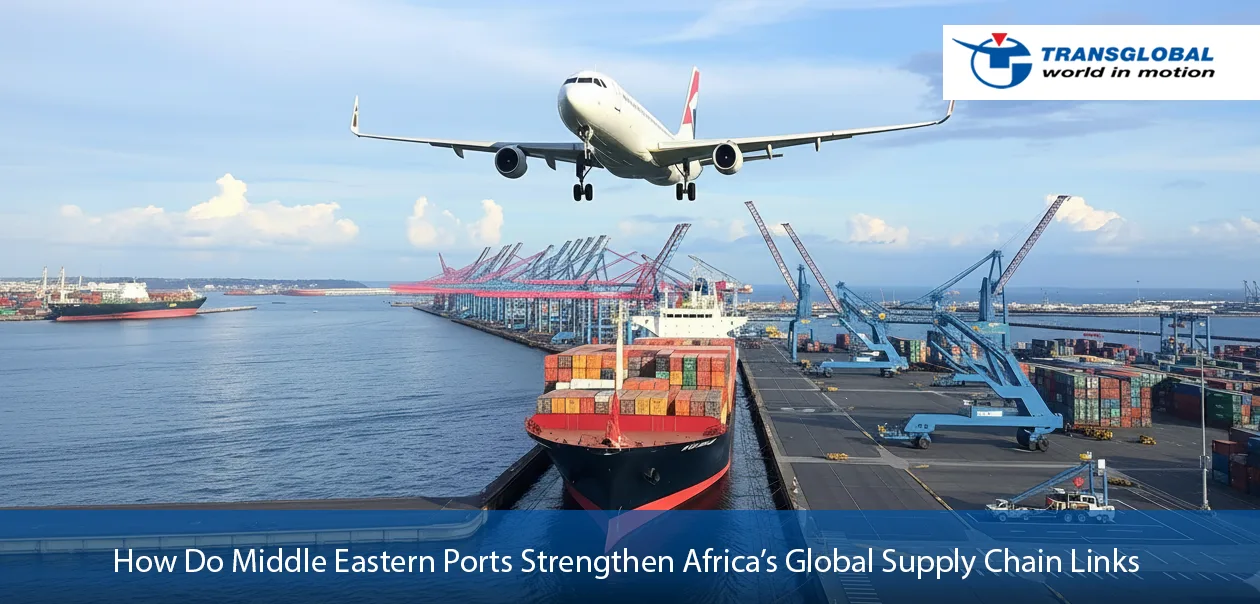
From Dubai’s Jebel Ali to Saudi Arabia’s King Abdullah Port, Middle Eastern ports have evolved into more than just gateways to the Gulf, they’ve become pivotal connectors in Africa’s expanding trade network. For African exporters, importers, and freight forwarders, these ports serve as vital links that simplify access to global markets while improving the efficiency of regional and cross-continental supply chains.
So what exactly makes Middle Eastern ports so critical to Africa’s logistics success, and how can African businesses harness these advantages for smoother, more cost-effective trade?
Why Middle Eastern Ports Matter in African Trade Strategy?
Africa’s geographical position, flanked by the Atlantic and Indian Oceans and bisected by key trade routes, gives it a strategic advantage. But its own ports, while improving, often face challenges like congestion, aging infrastructure, and bureaucratic customs processes.
That’s where Middle Eastern ports step in.
Ports in the UAE, Saudi Arabia, and Oman offer:
- Modern infrastructure with faster handling and high-capacity berths
- Shorter transhipment windows to Asia, Europe, and the Americas
- Seamless customs procedures through digitization and integrated trade zones
- Logistics ecosystems, including bonded warehouses, free zones, and multimodal links
For instance, cargo routed through Jebel Ali often reaches East and Central Africa faster than through direct routes from Asia, especially when customs or port delays are factored in.
The Most Connected Middle Eastern Ports for African Trade
Several ports in the Gulf region play an active role in African shipping:
Jebel Ali Port, UAE: A major transhipment hub for West, East, and Southern Africa. It offers fast customs clearance, containerized and RORO handling, and extensive warehousing.
Hamad Port, Qatar: Increasing trade with North and East Africa, especially in food, construction materials, and consumer goods.
King Abdullah Port, Saudi Arabia: One of the fastest-growing container ports, used for African imports of industrial equipment, auto parts, and electronics.
Port of Salalah, Oman: Strategically located near the Horn of Africa, it serves Somalia, Ethiopia, and Sudan, especially for food, fertilizer, and manufacturing goods.
These ports are not just transit zones, they’re value-adding logistics platforms for African shippers.
How do These Ports Benefit African Importers and Exporters?
For African businesses navigating global supply chains, these ports offer practical advantages:
Cost Optimization
Shipping goods in full containers (FCL) through Middle Eastern ports can reduce overall freight charges by combining consolidation, better vessel utilization, and backhaul options.
Reduced Delays
With less congestion, better scanning tech, and digitized systems, cargo gets processed faster, especially compared to some African ports with manual paperwork.
Expanded Trade Routes
From these ports, goods can easily be rerouted to Europe, China, Southeast Asia, or even the Americas, offering African exporters more flexibility.
Reliable Schedules
Middle Eastern ports operate as global liner hubs, meaning scheduled sailings are predictable, essential for African exporters shipping perishables, machinery, or contract-based goods.
African Cargo Profiles That Benefit Most
Certain cargo types and sectors particularly gain from routing through Middle Eastern ports:
Hazardous Cargo & Dangerous Goods
Ports like Jebel Ali are equipped with secure zones and regulatory expertise to handle IMDG-compliant cargo, making it ideal for African exporters of chemicals, explosives, and mining-related shipments.
Project Cargo & Oversized Freight
Whether it’s construction machinery from the UAE to Nigeria or oil & gas rigs to Angola, Middle Eastern ports offer special handling equipment and faster customs clearance.
Luxury Vehicle Imports
African buyers of high-end vehicles often use Middle Eastern ports for consolidation, inspections, and onward shipment to markets like South Africa, Kenya, or Ghana.
Military & Government Freight
Given the high security standards, ports in the UAE and Saudi Arabia are often preferred for sensitive shipments, including military logistics and museum consignments from Africa.
Logistics Challenges and How to Navigate Them
Despite the benefits, there are still hurdles:
Documentation Gaps
Errors in bills of lading, certificates of origin, or HS codes can delay shipments at transhipment hubs. Double-checking with freight partners before departure is essential.
Lack of Cargo Visibility
Without tracking systems or integration with port platforms, African businesses may struggle to know where their cargo is during transit.
Last-Mile Uncertainty
Once cargo lands back in Africa, inland transportation often becomes an obstacle. Planning with local agents and bonded storage can reduce disruptions.
The Role of Freight Forwarders in Middle East–Africa Shipping
This corridor’s success depends not just on port infrastructure, but on coordination. Experienced freight forwarders play a huge role in:
Choosing the right route via the Gulf, depending on cargo type and urgency
Consolidating shipments to reduce costs for LCL exports
Handling compliance for dangerous or regulated goods
Offering bonded warehouse access and documentation support at transit ports
Simplifying delivery into inland African regions like Zambia, Rwanda, or Mali
Whether you’re an African textile exporter, a Congolese mining company, or a South African vehicle importer, working with the right partner ensures the Gulf isn’t just a stopover, but a trade advantage.
Conclusion
Middle Eastern ports are no longer just points on a map, they are smart bridges between Africa and the global marketplace. With world-class infrastructure, tight customs systems, and excellent connectivity, they help African traders move goods faster, safer, and more competitively.
At Transglobal, we’re already helping businesses across Africa unlock these routes, handling complex cargo from dangerous goods and museum consignments to project and military logistics.
Let us be your link to smoother Middle East–Africa shipping. Reach out to our team for sea freight services tailored to your cargo.
Frequently Asked Questions
Is it faster to ship through the Middle East than directly from Asia to Africa?
Yes, especially when African ports are congested. Shipping via Middle Eastern hubs like Jebel Ali often reduces transit time and increases schedule reliability.
Can I ship explosives or dangerous cargo through these ports?
Absolutely, but you must follow IMDG and local port regulations. A certified freight forwarder like Transglobal can help with safe handling and compliance.
Which Middle Eastern port is best for East African trade?
Port of Salalah (Oman) and Jebel Ali (UAE) are ideal for East Africa, with strong connections to Mombasa, Dar es Salaam, and inland countries like Uganda and Rwanda.


Comments